— ISSUE NO. II · THE KATHMANDU ISSUE —
- CoverThe Kathmandu Issue1
- FrontispieceA maxim of the Society2
- ColophonThe Society & the issue3
- ContentsThe order of the issue5
- Editor's LetterOn a city that keeps its gods on the street7
- Field NotesNotes from the margin9
- Bulletin · IThe Valley11
- PlateThe Bowl of the Valley18
- Bulletin · IIThe Festival of Lights23
- PlateThe Five Days of Tihar33
- PlateThe Sacred Circuit35
- Bulletin · IIIThe Old City39
- VisionsA Portfolio of Plates45
- Specimen TableThings gathered in the city49
- A Table SetBy the Society55
- Texts HeldIn the Library59
- A LedgerThe Issue in Sum61
- CalendarDispatches forthcoming63
- Back CoverThe road continues68
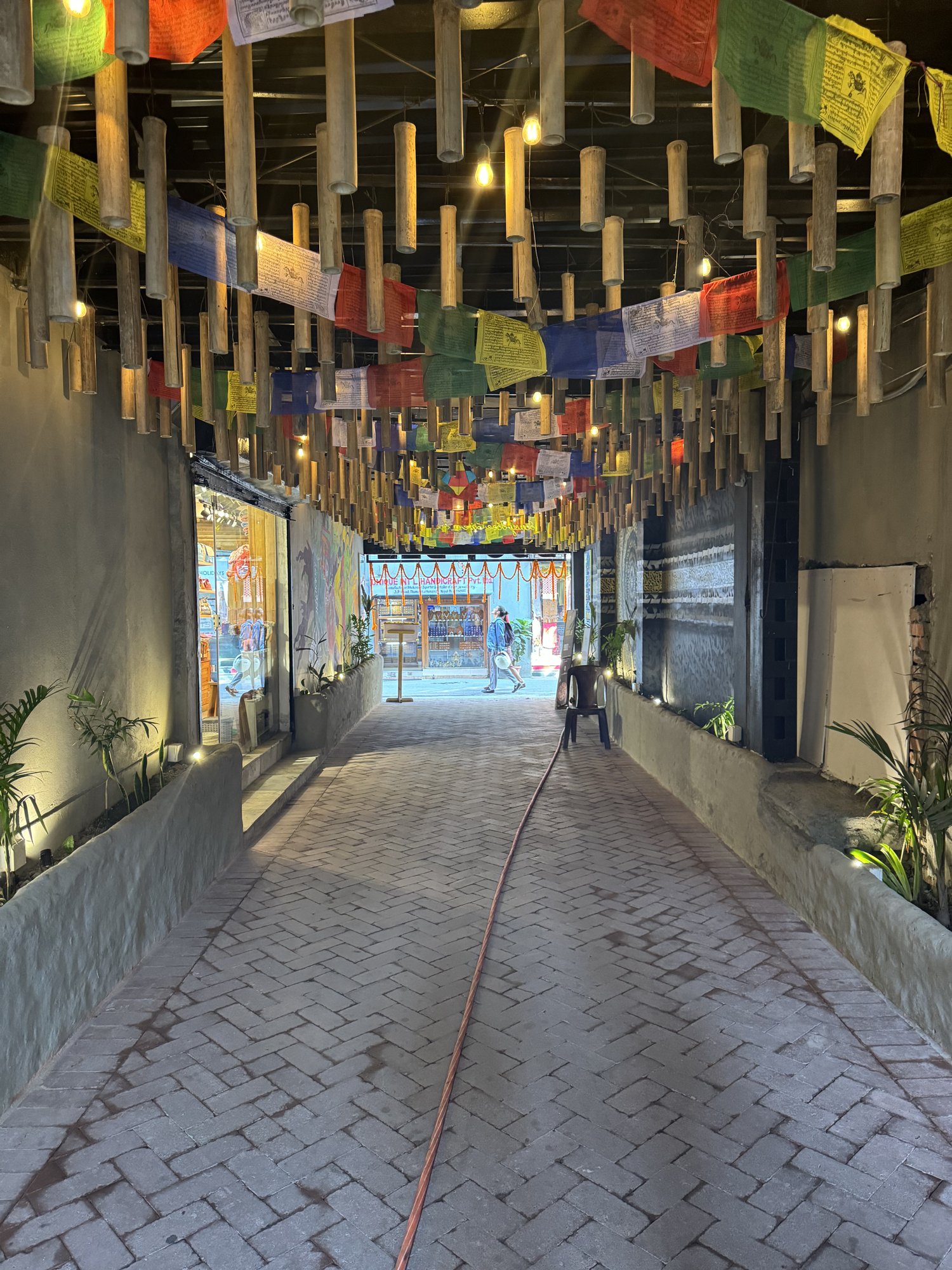
The Society keeps a quarterly record of journeys taken slowly, observations made carefully, and the small instruments of attention that travel demands.
The Society & the Issue
Filed at Tihar · late October MMXXV
— Per terras · deliberatè · MMXXVI —
The Order of the Issue
— Read in sequence, or as it pleases you —
-
Editor's LetterOn a city that keeps its gods on the street7
-
Field NotesNotes from the margin9
-
Bulletin · IThe Valley — on the bowl of hills11
-
PlateThe Bowl of the Valley — a section18
-
Bulletin · IIThe Festival of Lights23
-
PlateThe Five Days of Tihar — the arc of a festival33
-
PlateThe Sacred Circuit — a sketched map35
-
Bulletin · IIIThe Old City39
-
VisionsA Portfolio of Plates45
-
Specimen TableThings gathered in the city49
-
A Table Set by the SocietyOf rice, of marigold, of flame55
-
Texts Held in the LibraryThree books for the city59
-
A LedgerThe Issue in Sum61
-
CalendarDispatches forthcoming63
On a city that keeps its gods on the street.
Kathmandu is the city most travellers endure rather than enter. They land, they brace against the traffic and the dust, they book the early bus to the mountains, and they tell themselves the real Nepal begins somewhere else. They are wrong.
The city is mis-read. The guidebooks call it a gateway. The trekkers call it a place to resupply. The arriving traveller calls it chaos. None of these are wrong — and all of them, taken together, are the reason almost nobody stays long enough to see it.
This issue is the Society's argument for what Kathmandu actually is: not a gateway to somewhere holier, but the most concentrated act of daily devotion in the high country — a city that keeps ten thousand gods, and feeds every one of them before breakfast.
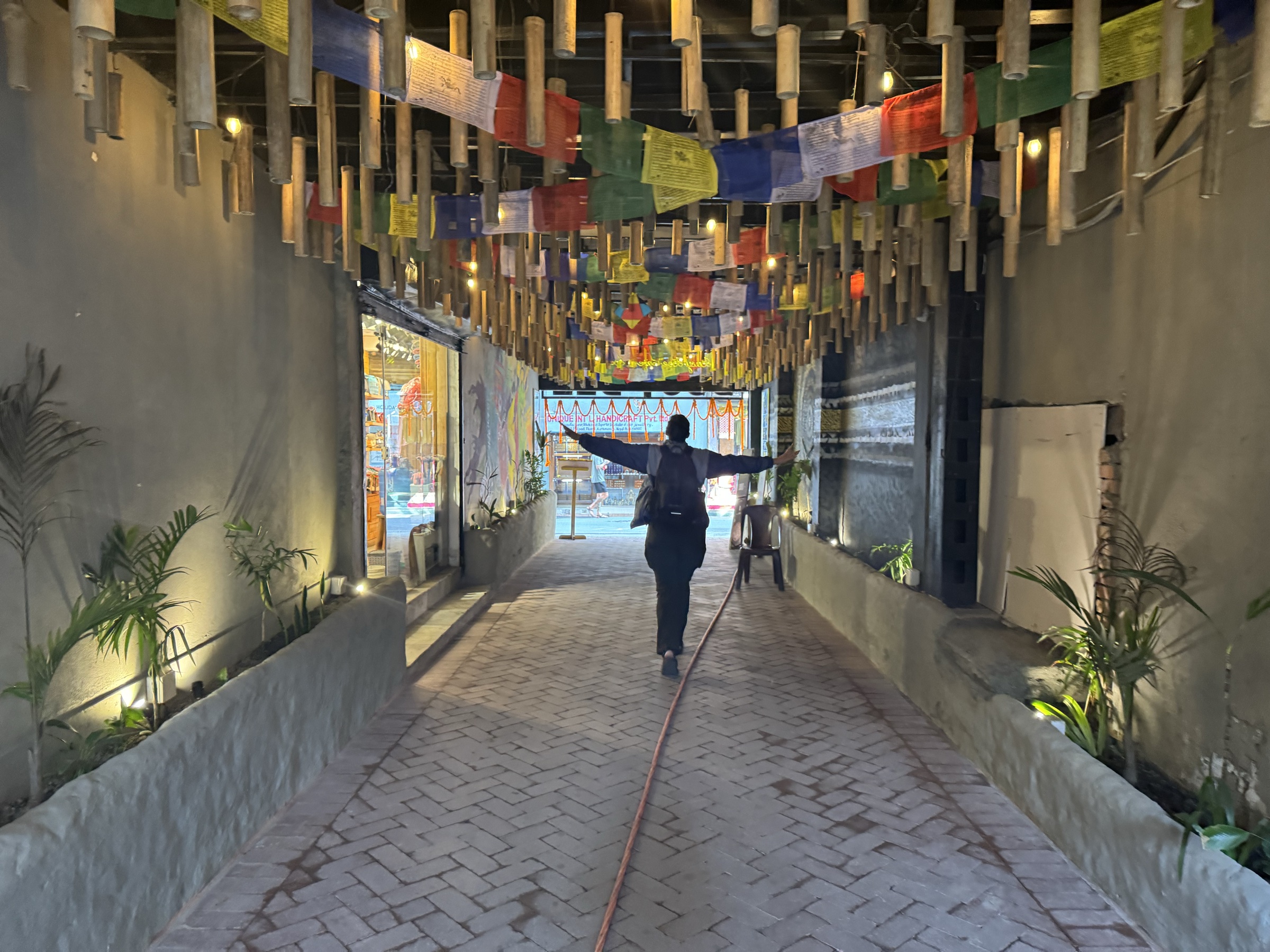
— Member No. III, in the old city —
The Society has filed three bulletins from this season: one on the valley and the bowl of hills that holds it; one on Tihar, the festival of lights, and what a city looks like when it decides to glow; one on the old city and the temples it has never stopped using. There is a plate — a sketched map of the sacred circuit. There is a section through the valley, and the arc of the five festival days. A table of specimens. A list of texts to hold while the lamps are lit.
It is the second issue, and the companion to the first. If Pokhara was the Society's argument for stillness, Kathmandu is its argument for attention amid noise. Stay with us through the spread.
— Member No. IIIEditor · GUSTUX
Notes from the margin
Short observations, set down before the bulletins proper — the small instruments of attention the practice requires.
Why Tihar
The Society timed Kathmandu to Tihar — the five-day festival of lights that follows Dashain in late October. For five nights the city lines its thresholds with oil lamps and marigold and draws rangoli at every door, honouring in turn the crow, the dog, the cow, the ox, and the bond of sister and brother. It is not performed for visitors. The city simply does it.
The call-and-response songs carried door to door through the Tihar nights; the household answers with sweets, coin, and a blessing. The Society has heard them three streets off, and followed the sound.
The monument zones of the Kathmandu Valley named by UNESCO — three royal squares, two great stupas, two temples. The valley is, in effect, a single museum that has never once closed for the night.
The Lamp
Not the torch; the lamp. At Tihar the city is lit not for visibility but for welcome — a row of small flames along every threshold, renewed each night. The Society has learned to read a street by how it lights its doors.
“Which god is this one?”
Asked at a corner shrine worn smooth by centuries of hands. The shopkeeper beside it shrugged, kindly: the god had been there longer than the question. One does not always need the name to leave the offering.
A City of Three Cities
Kathmandu, Patan, and Bhaktapur were once three rival kingdoms, each with its own royal square — and each square is now a UNESCO site. The valley is small enough to cross in an afternoon, and old enough to take a lifetime.
— Pages 9 & 10 · Field Notes · Issue No. II —
Of arrival
The bowl, and the question of scale.
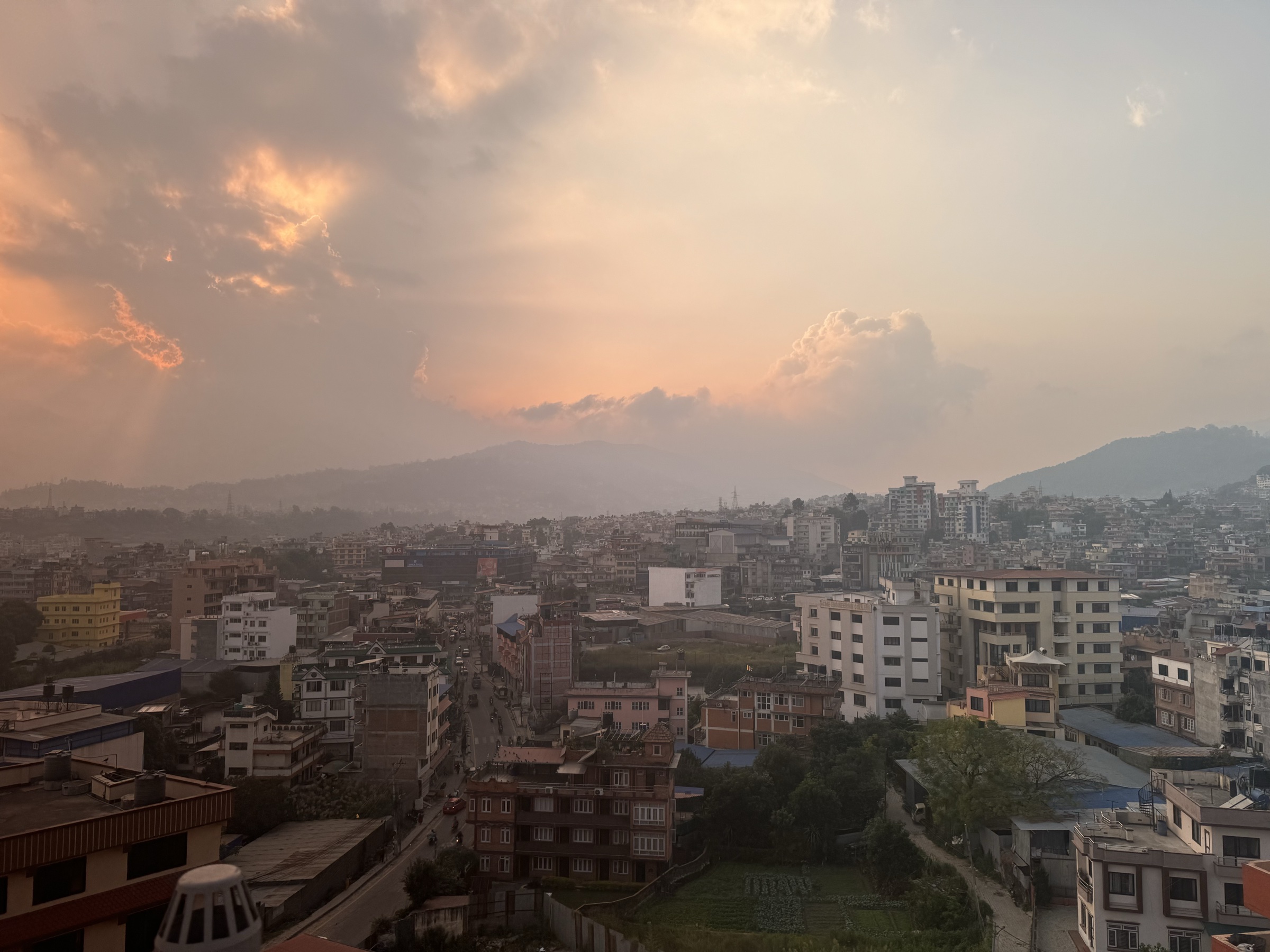
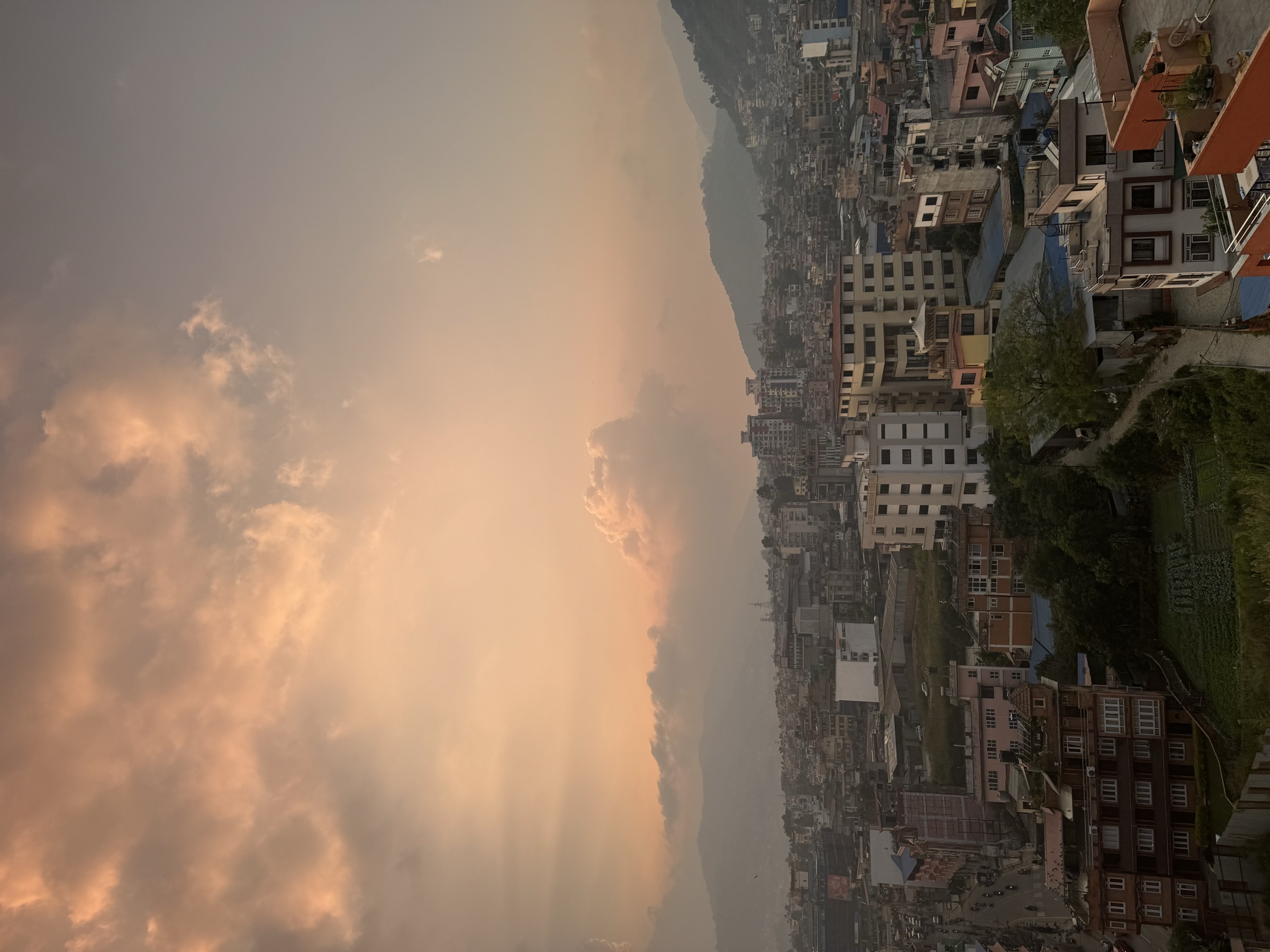
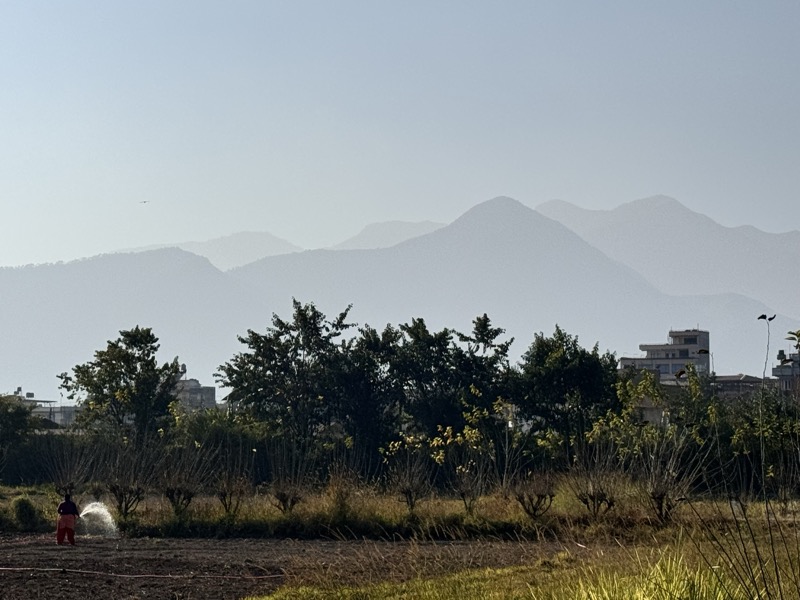
The first thing the valley does is hold you. You come down through the hills by road or by air, and the land closes around you — a green bowl perhaps twenty kilometres across, ringed on every side by terraced ridges, the white peaks standing off beyond them like a rumour. The city fills the bowl to its brim.
This is the geography that made Kathmandu. A bowl is defensible, fertile, and self-contained; three medieval kingdoms grew rich here on the trade between India and Tibet, and each built a capital within a day's walk of the others. The hills kept the valley together. They still do.
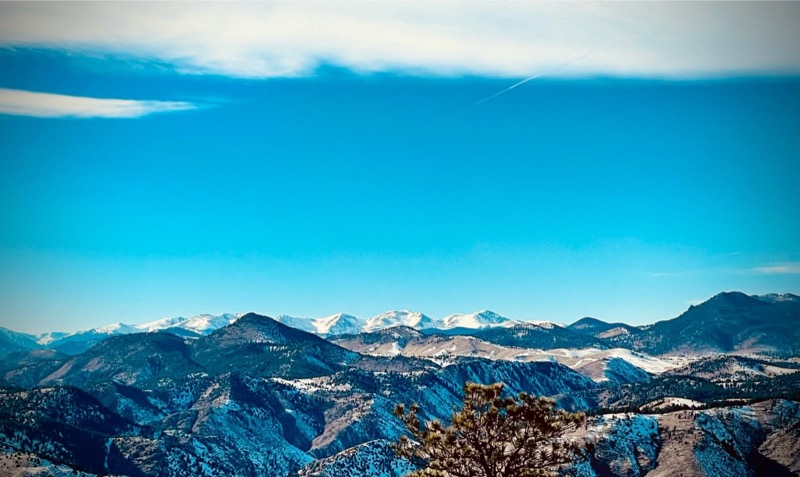
Scale, here, is a trick of the ring. The peaks on the horizon are far higher than anything in Pokhara's view, yet they read as small — held at arm's length by the hills in front of them. The valley humbles its own mountains. It is the first thing the high city teaches: distance is a kind of modesty.
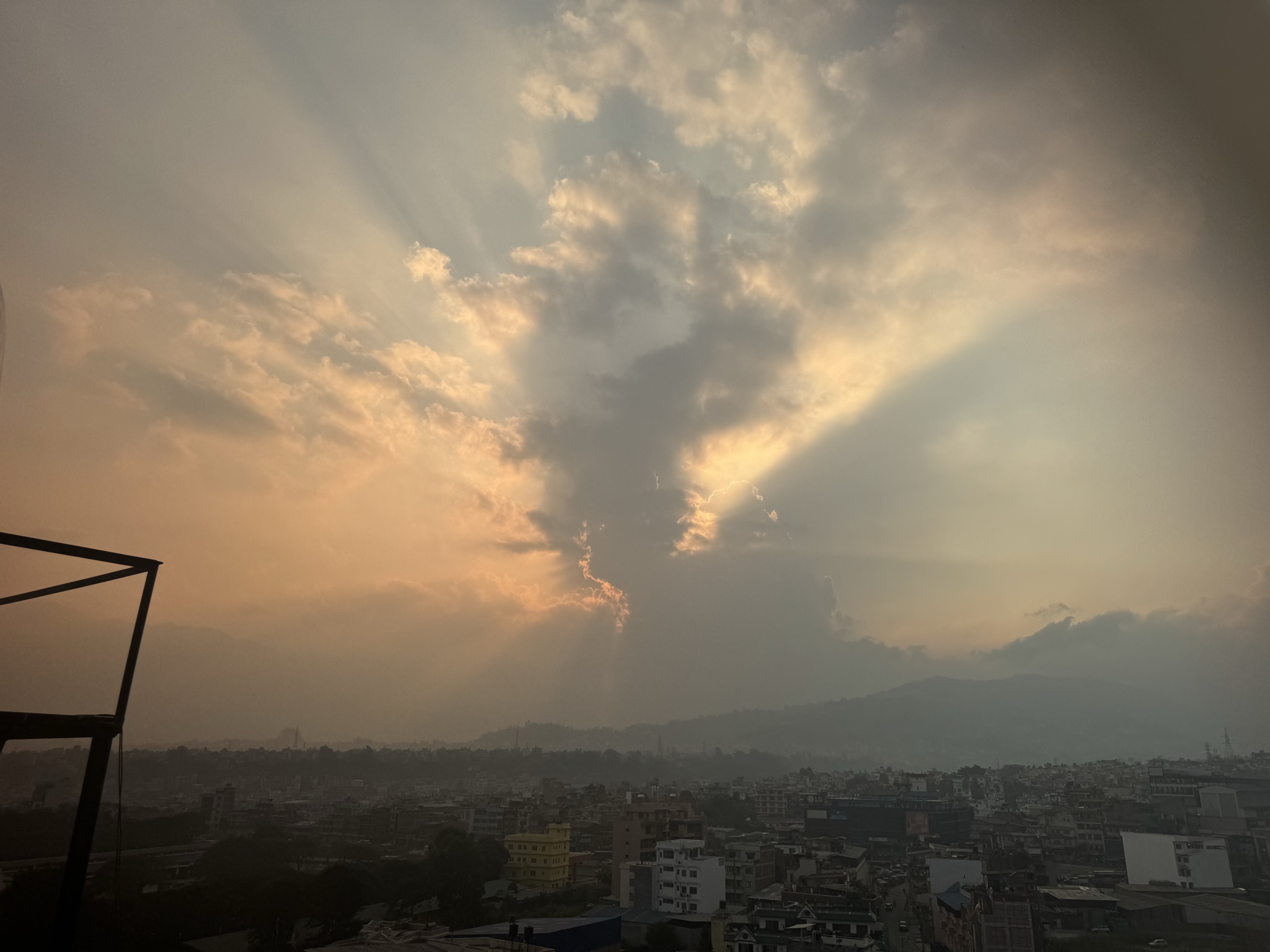
— The bowl, at the edge of the day —
Of the rooftops
What the rooftops show.
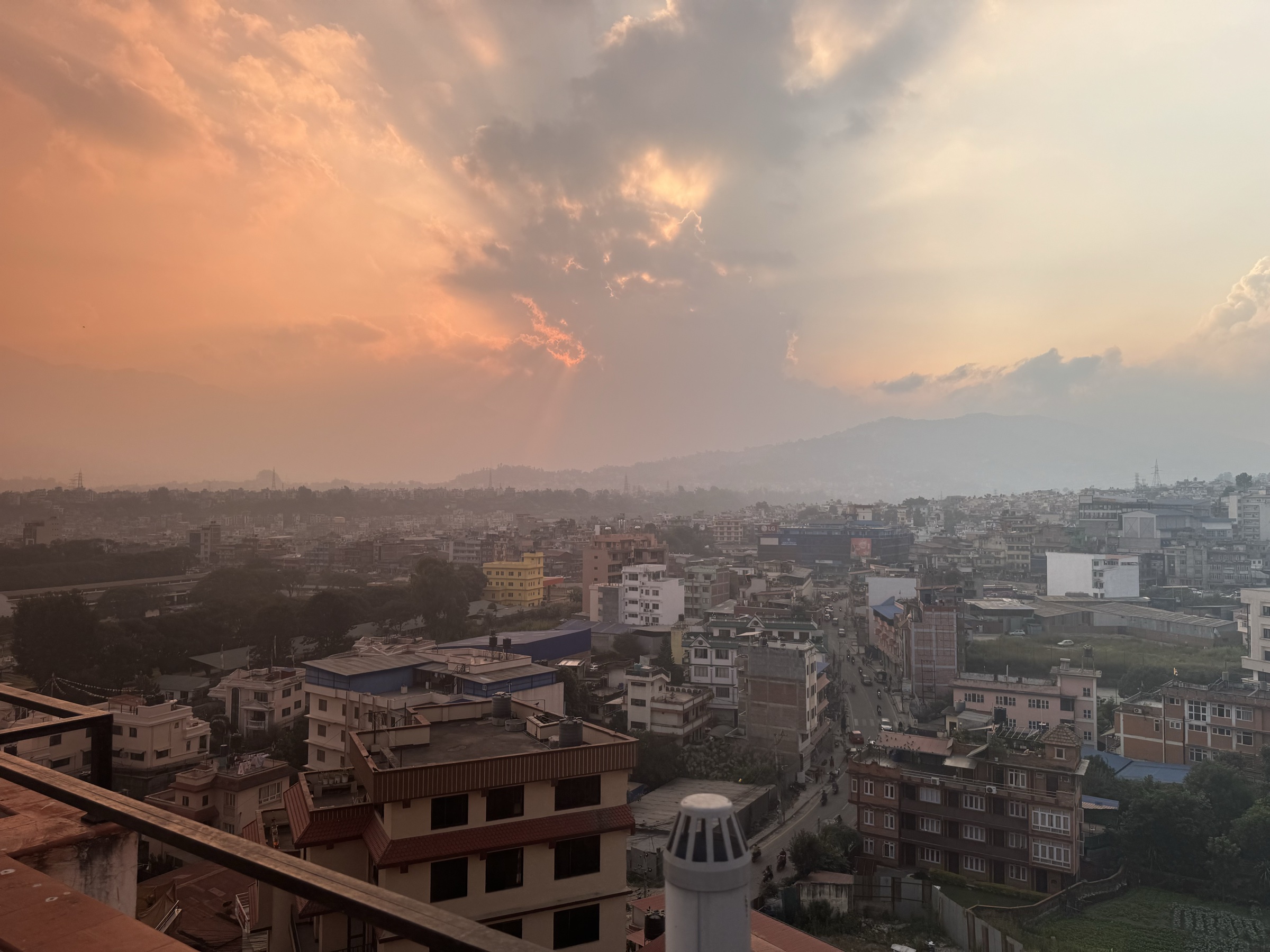
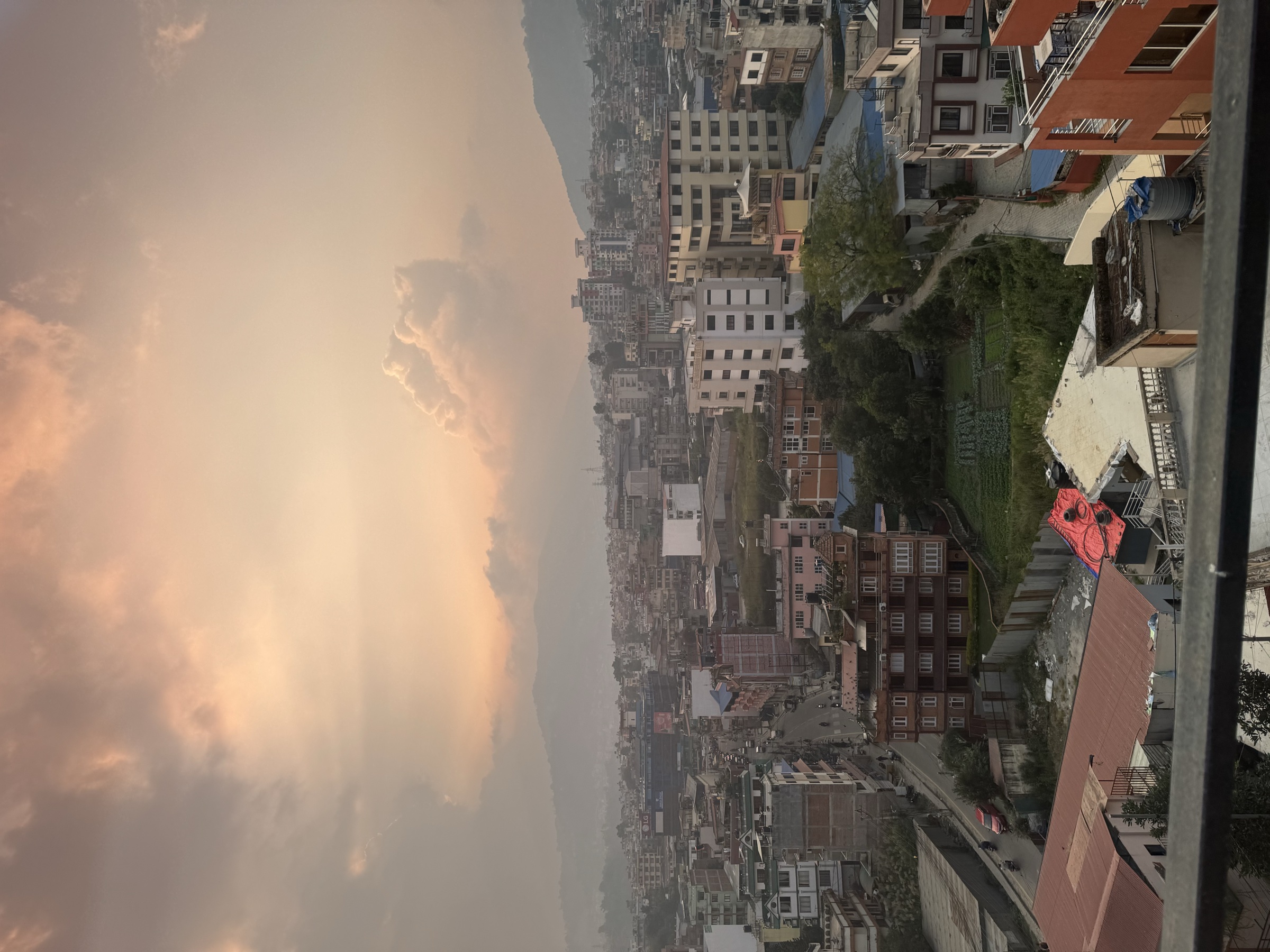
From a rooftop in the old city the valley reveals its true material: brick. Mile upon mile of warm red brick, broken by the white of a stupa, the gilt of a temple roof, the green of a hidden courtyard. The city is built of the earth it stands on.
There is no grid. The lanes follow the logic of water and habit, not of planners. What looks from the street like chaos resolves, from above, into a dense and ancient order — courtyards within courtyards, each with its shrine, each a small world.
And over all of it, the haze. The valley holds its own air; through the day a soft brown veil gathers over the bowl and the far rim dissolves. It is only at dawn, before the city wakes, that the ring of hills — and, on the clearest mornings, the snow beyond — stands fully clear.
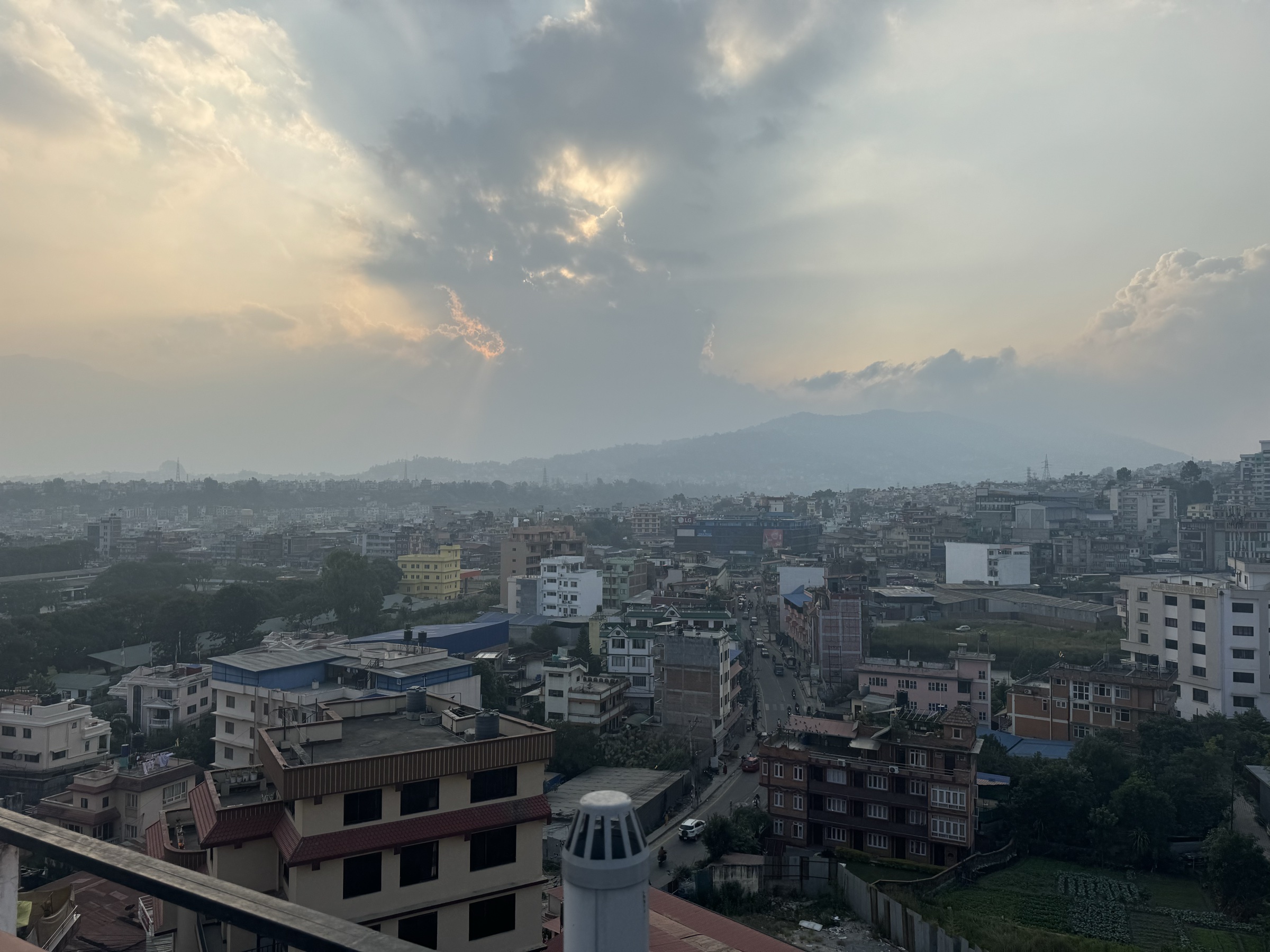
— Plate II · The brick city —
The third thing the rooftops show is that this is a city that never separated the sacred from the everyday. A temple roof rises between two houses; a shrine occupies a traffic island; a stupa anchors a market square. The gods live at street level, among the brick.
This is the trap of the rim. The view from above makes you feel you have seen the city. You have not. You have seen its lid. The thing itself is underneath — in the lanes, the courtyards, the lamplit doorways the haze hides by noon.
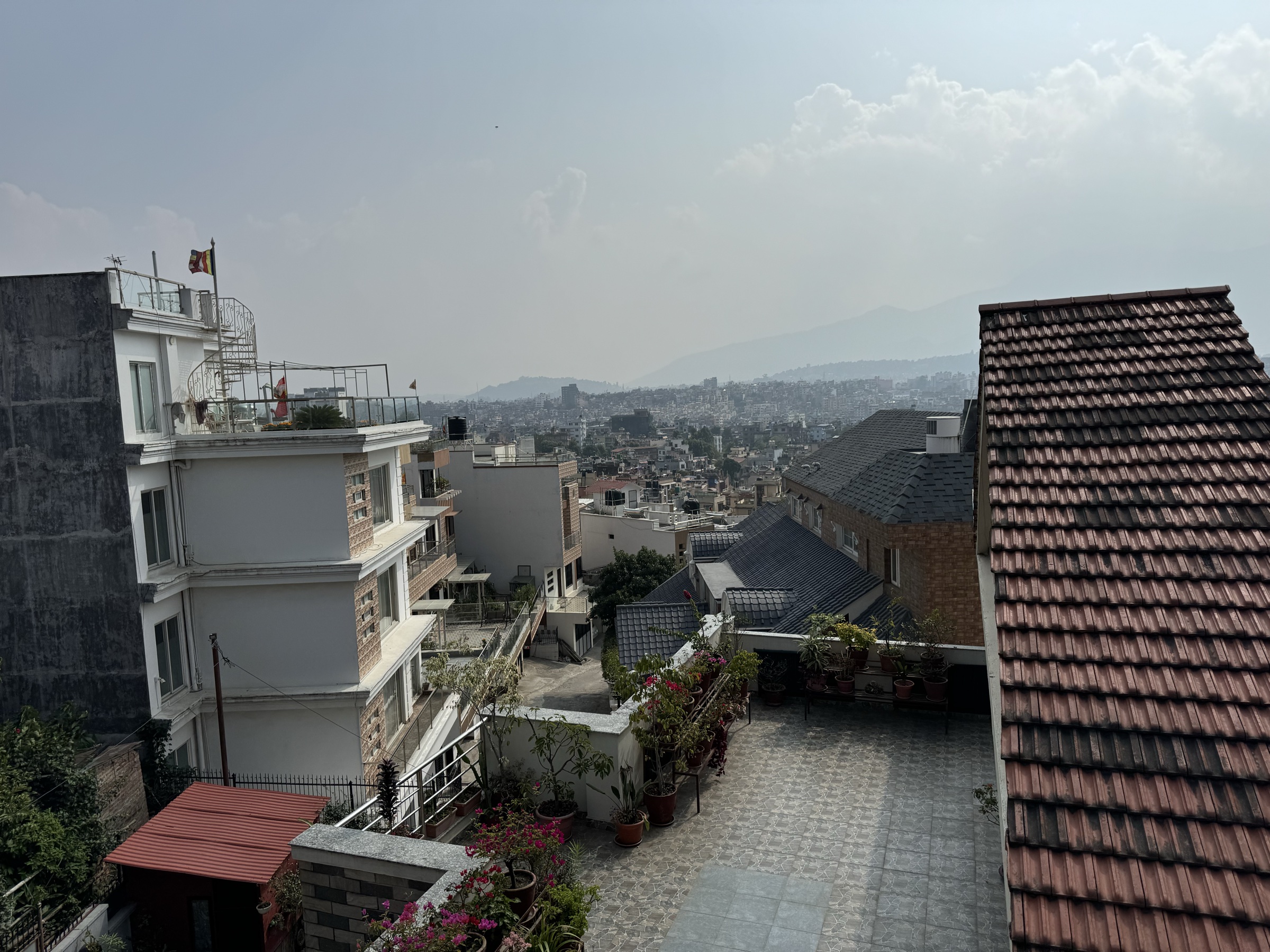
— The rooftops, running to the rim —
The Society's instruction: take a rooftop café on the first afternoon, and a dawn one on the last. Read the city's shape from above; then go down, and live in the brick.
Of departure
What the valley keeps.
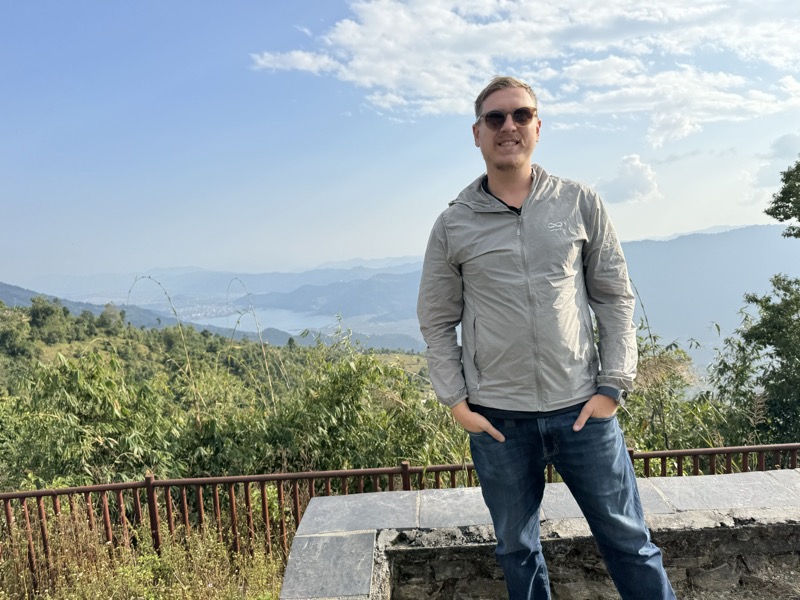
— Plate IV · From the air —
You leave with the sense of having been inside something — not a city laid out for you, but a bowl continuously inhabited, farmed, and worshipped in for two thousand years and more. The valley keeps its centuries the way it keeps its air: close, and all at once.
If Pokhara's lesson was the view from above, Kathmandu's is the opposite — that the high ground here shows you only the lid of the bowl. The life is underneath: in the brick, in the lanes, in the lamplight. Climb for the geometry; then descend, and stay down.
The Bowl of the Valley
— a section, rim to rim —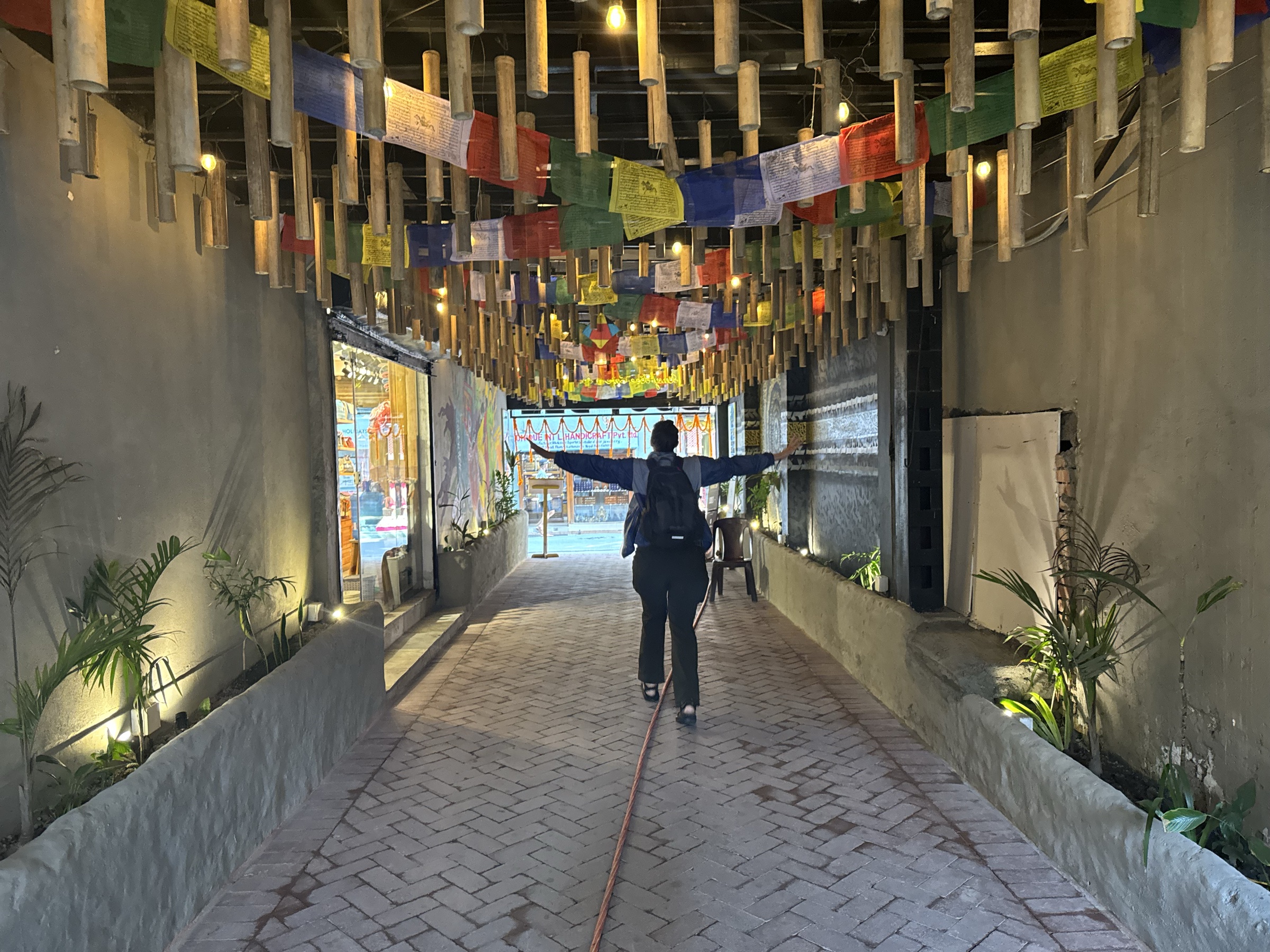
Of the lamps
What the city does after dark.
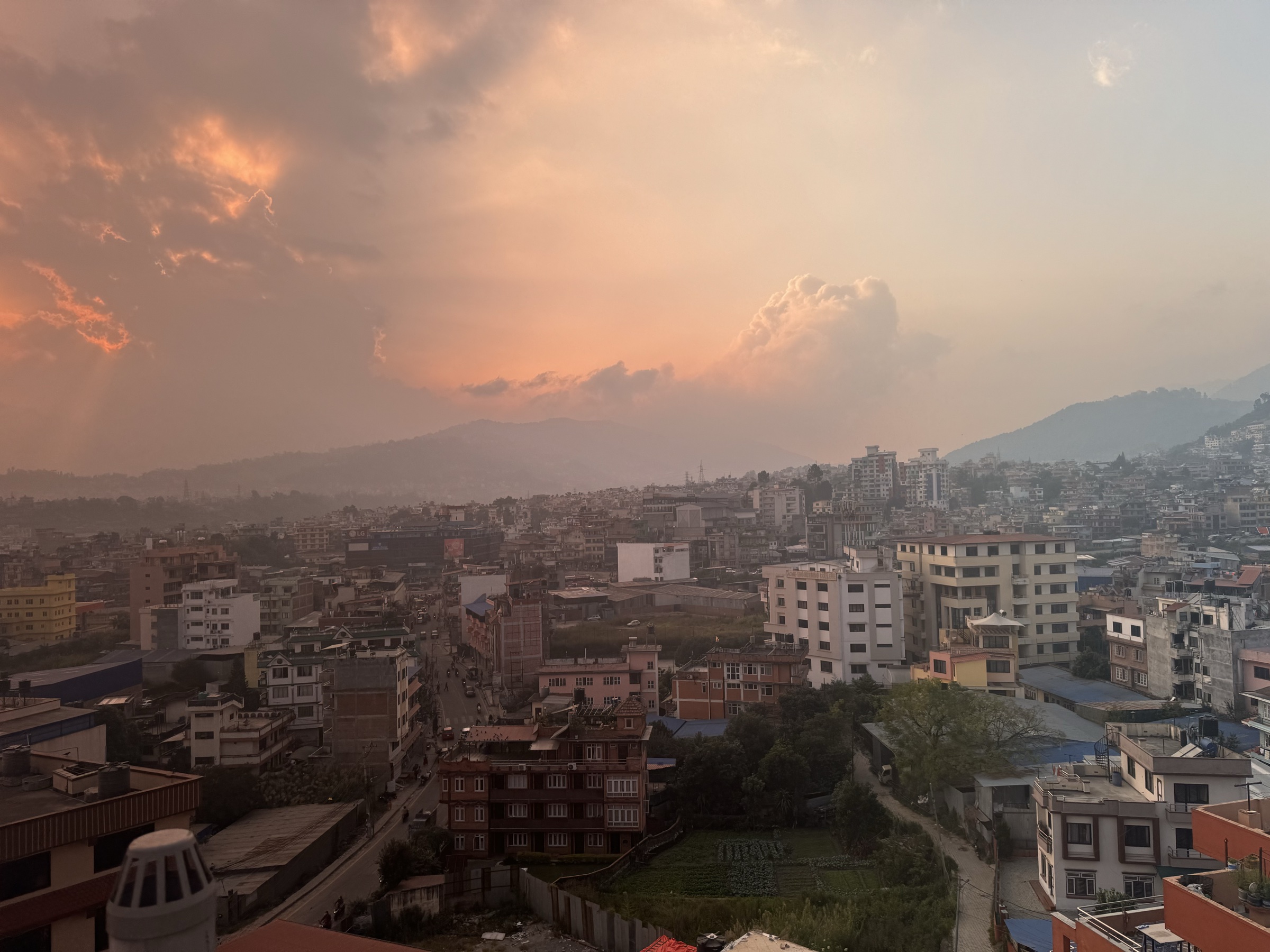
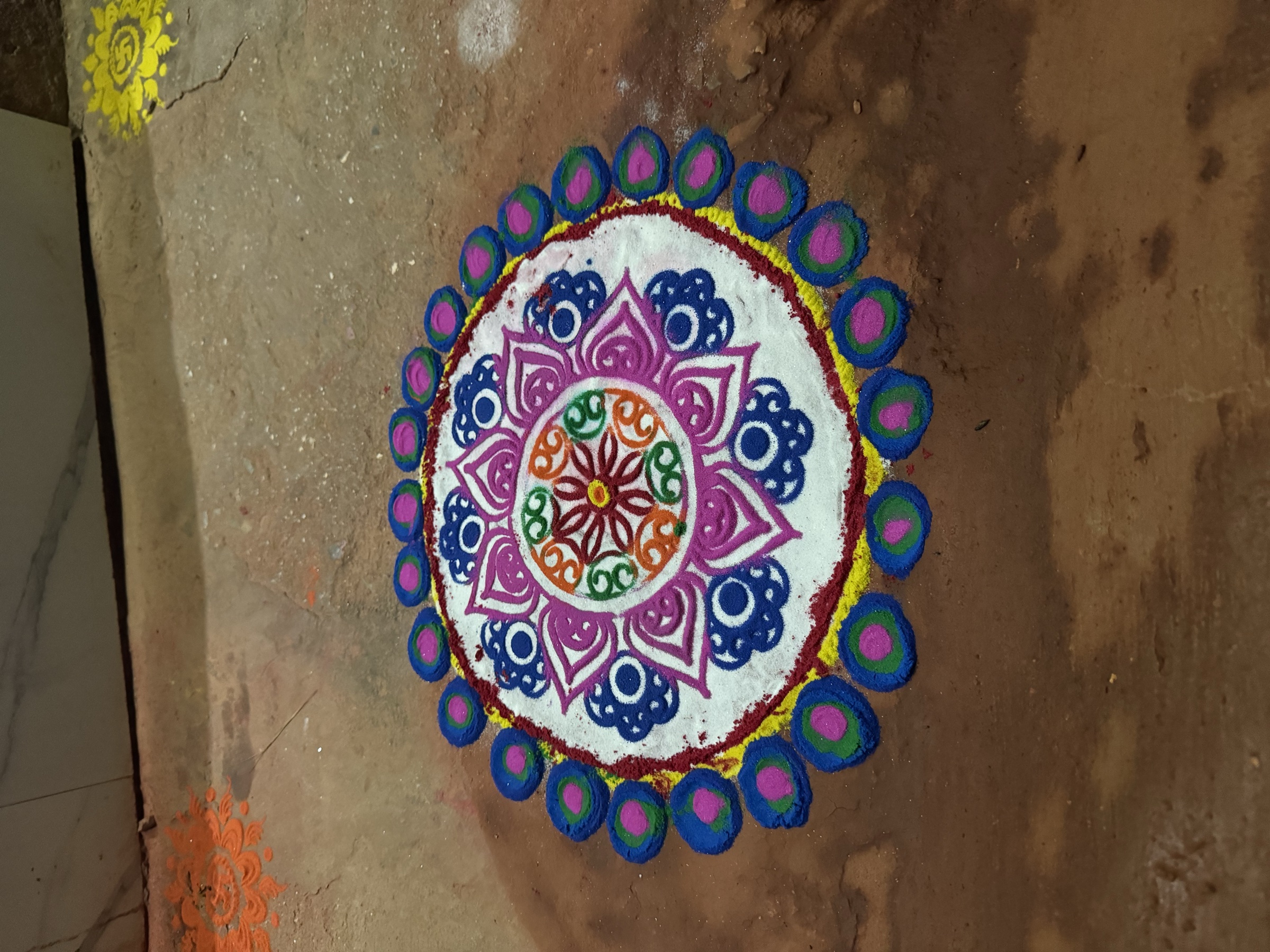
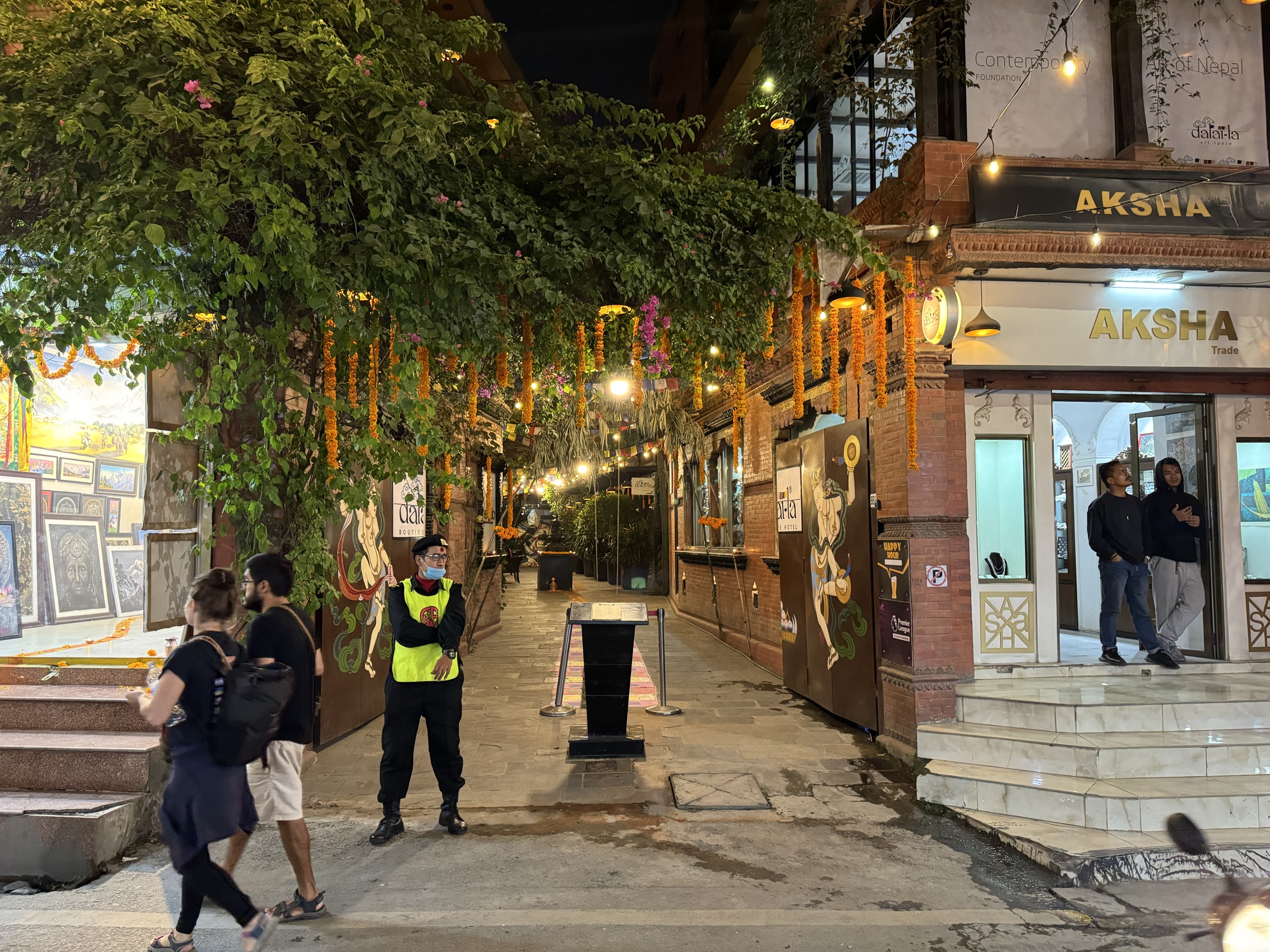
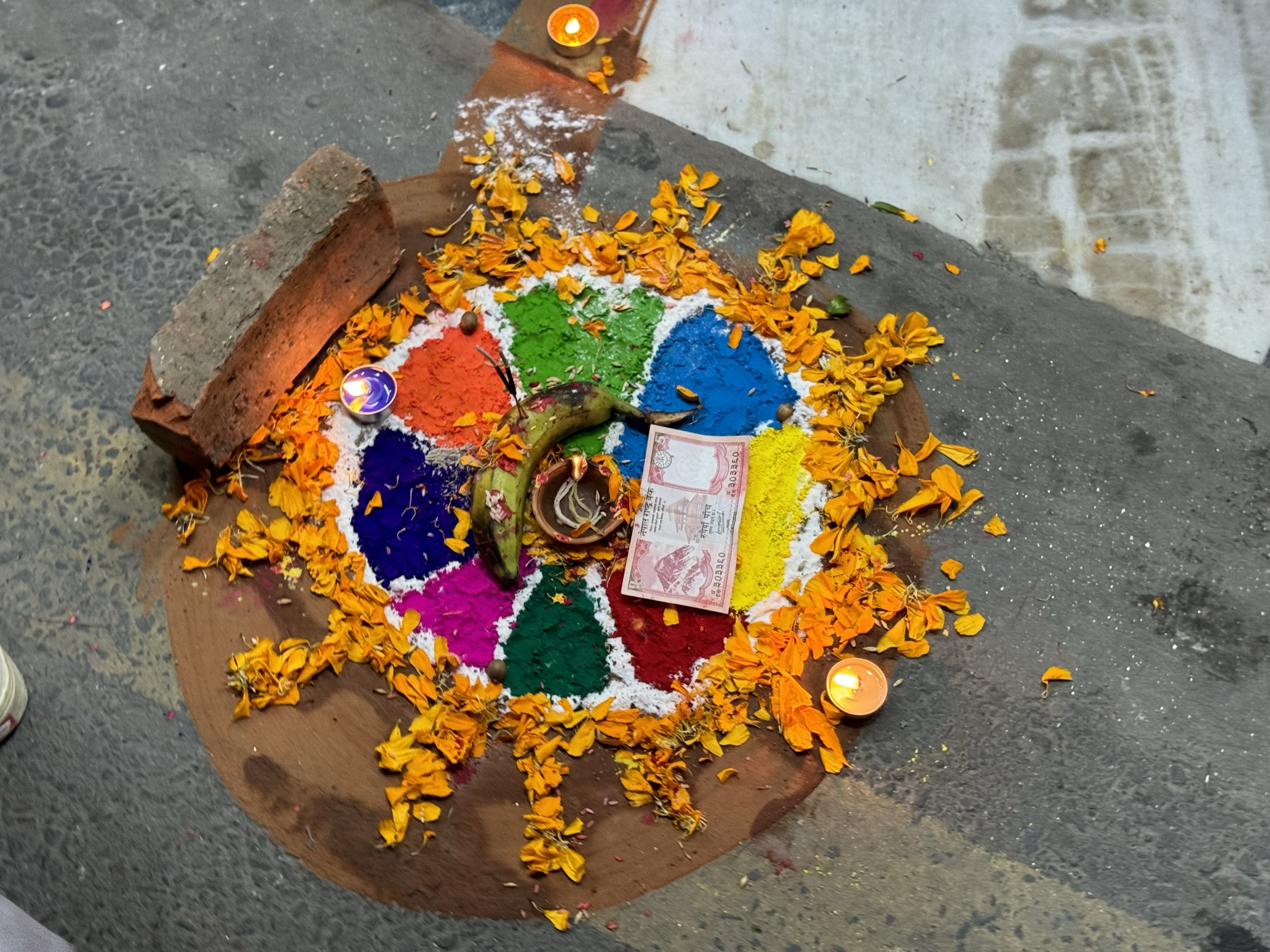
On the third night of Tihar the city changes register. The shutters that close against the day's dust come down, and behind them the thresholds light up — a row of butter lamps, a smear of red, a mandala of coloured powder and marigold drawn fresh on the stone. The street that was a thoroughfare becomes an offering.
This is Laxmi Puja, the night the goddess of wealth is invited in, and a household's welcome is measured in light. The poorest doorway and the grandest hotel do the same thing: they line the way for her, and hope she stops.
The Society's first instinct, faced with this, was to photograph it. The better instinct, learned by the second night, was to put the camera down and walk slowly enough to be offered sweets.
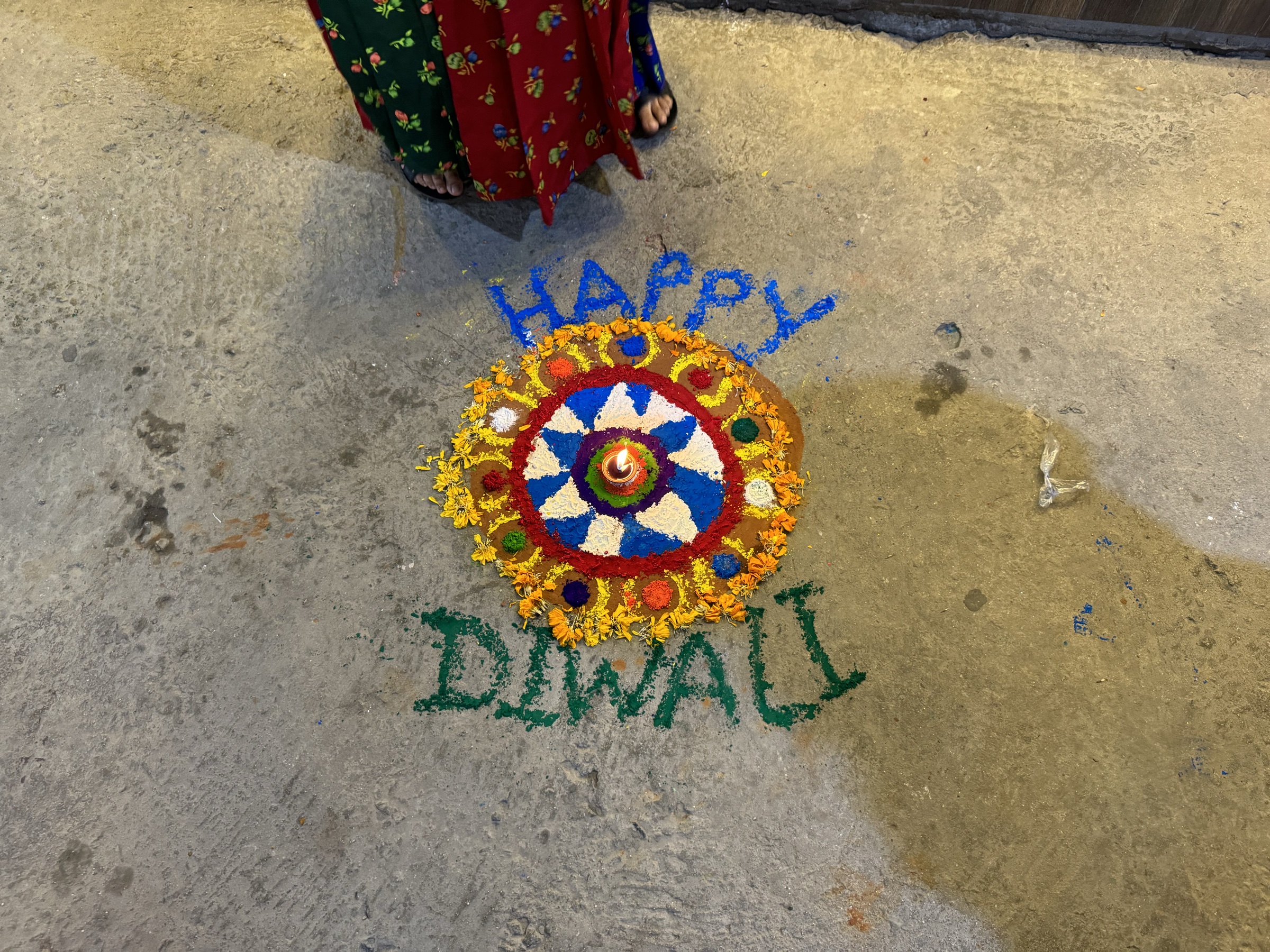
— Marigold, by the kilo —
Of the order
Five nights, five devotions.
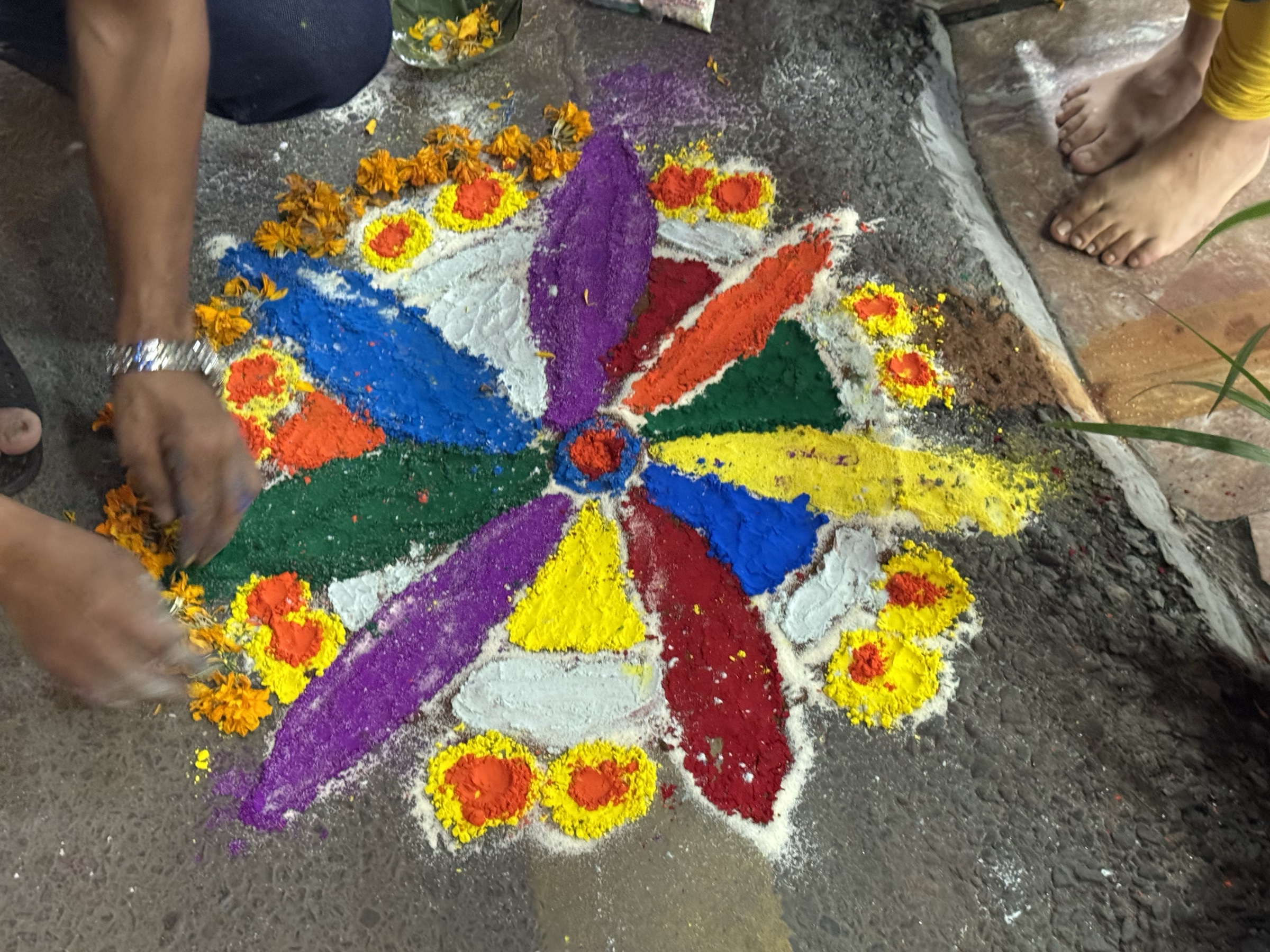
— Plate VI · The coloured ground —
Tihar is not one festival but five, each day given to a different creature or bond. The crow, messenger of death, is fed on the first morning. The dog, for its loyalty, is garlanded and given a red tika on the second — the Society has never wanted to file anything more than a street dog wearing marigold with enormous dignity.
The cow and the ox follow. And on the fifth day, Bhai Tika, sisters mark their brothers' foreheads with a tika of seven colours and a chain of marigold — a vow of protection that empties the bus stations as the whole country travels home.
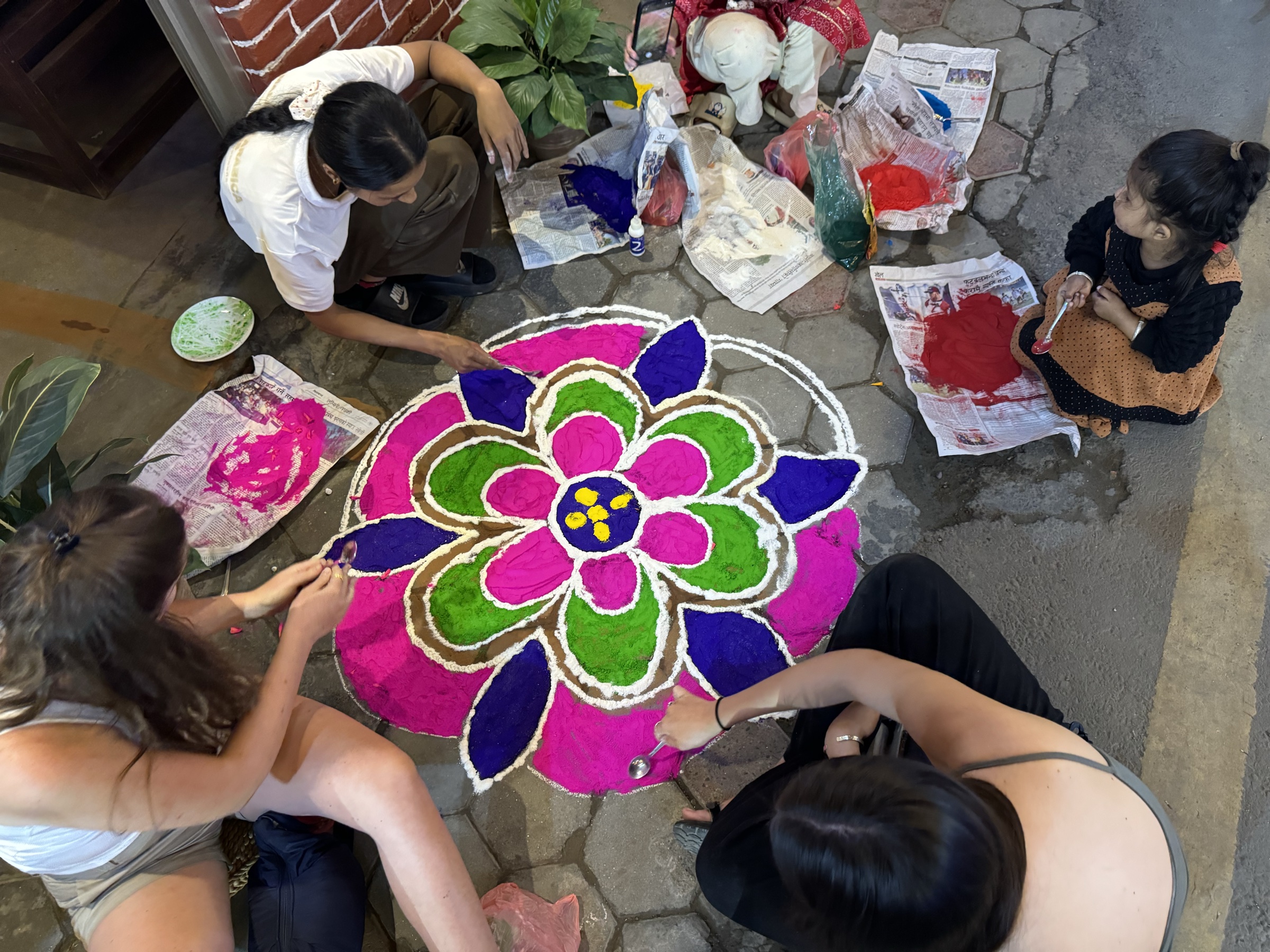
— Plate VII · Powder and petal —
What strikes the Society, watching, is the absence of spectacle in the modern sense. There is no stage, no audience. Everyone is a participant; the festival has no edge you can stand outside of. You are either lighting a lamp or you are in someone's way.
It would be easy, and wrong, to read it as Nepal's Christmas. The lights are not decoration. They are an argument — that the dark is real, that the year turns through it, and that the answer is not to hide but to set a small flame at your own threshold and invite the good in.
Of the meaning
What the lights are for.
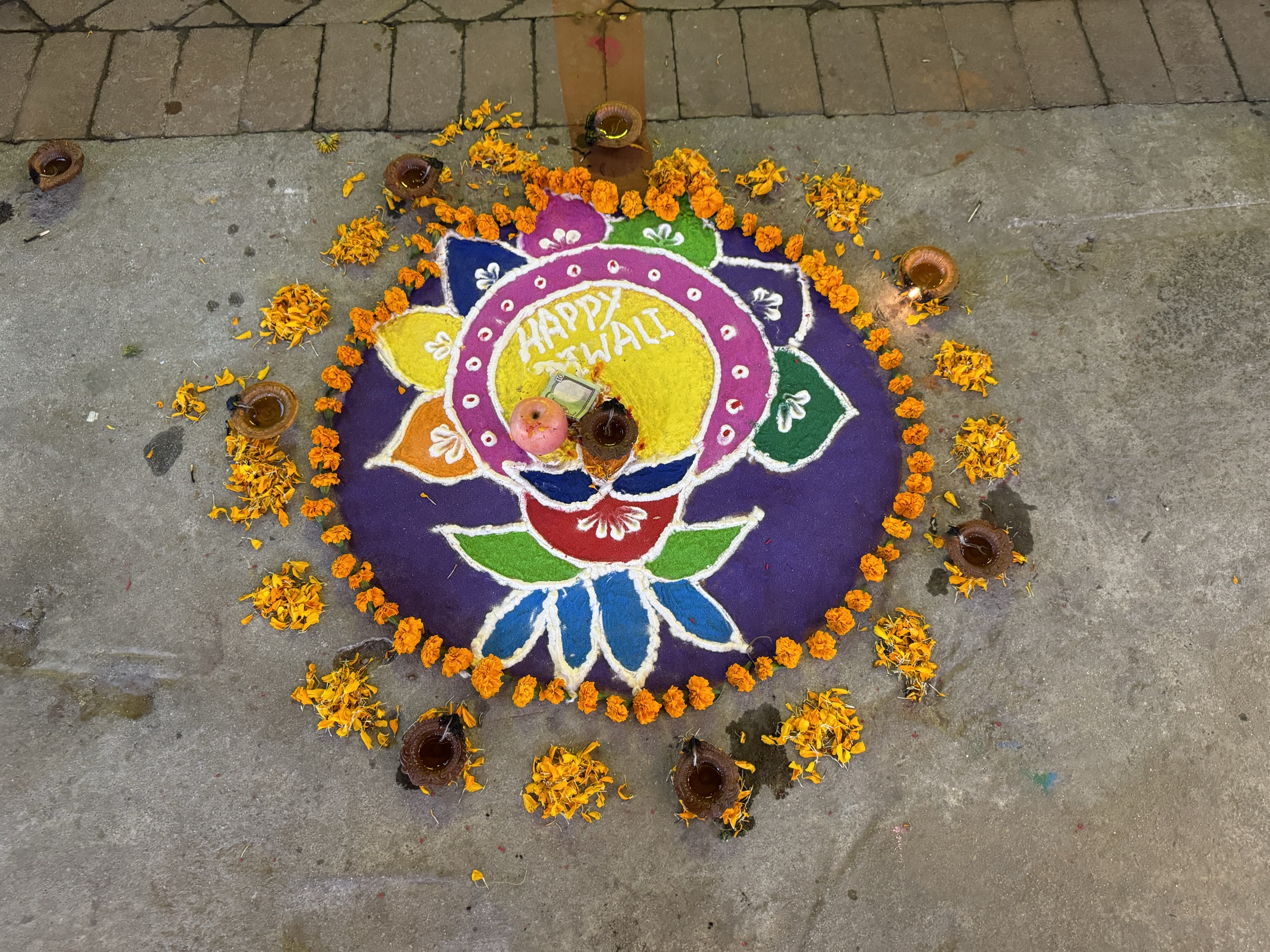
— Plate IX · The sun and moon, in powder —
The Society files Tihar as the city's clearest self-portrait. For five nights Kathmandu shows what it values — the messenger, the loyal animal, the household, the bond between siblings — and it shows it not in monuments but in marigold and flame.
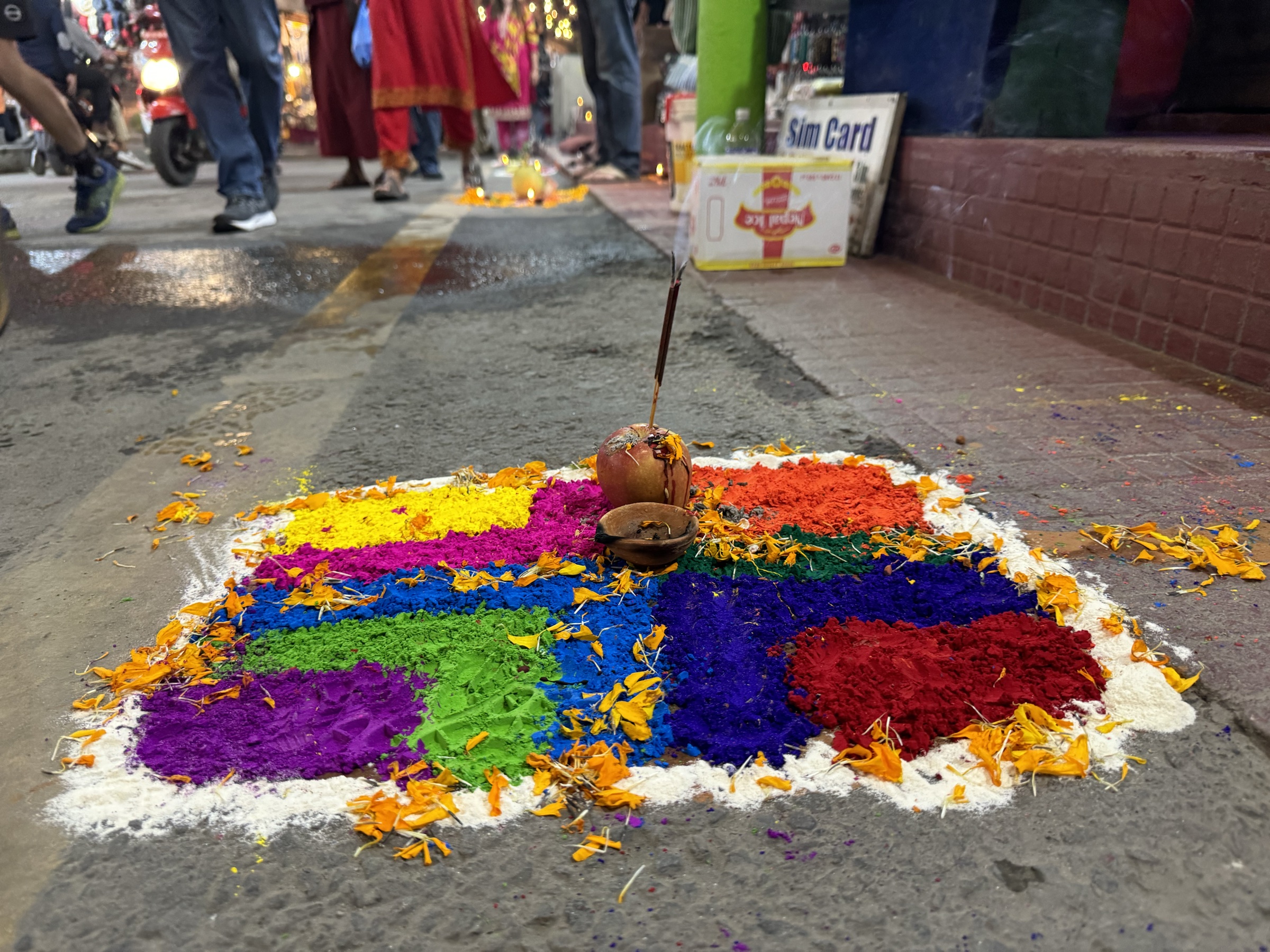
— The market, stocked for the lights —
And then it is swept away. The rangoli that took an afternoon is gone by the next morning's broom, and drawn again by dusk. The Society notes this as the festival's quiet discipline: the beautiful thing is made to be remade, and no one mourns the sweeping.
The Five Days of Tihar
— the festival turns on the darkest night —The Sacred Circuit
— As folded in a pocket —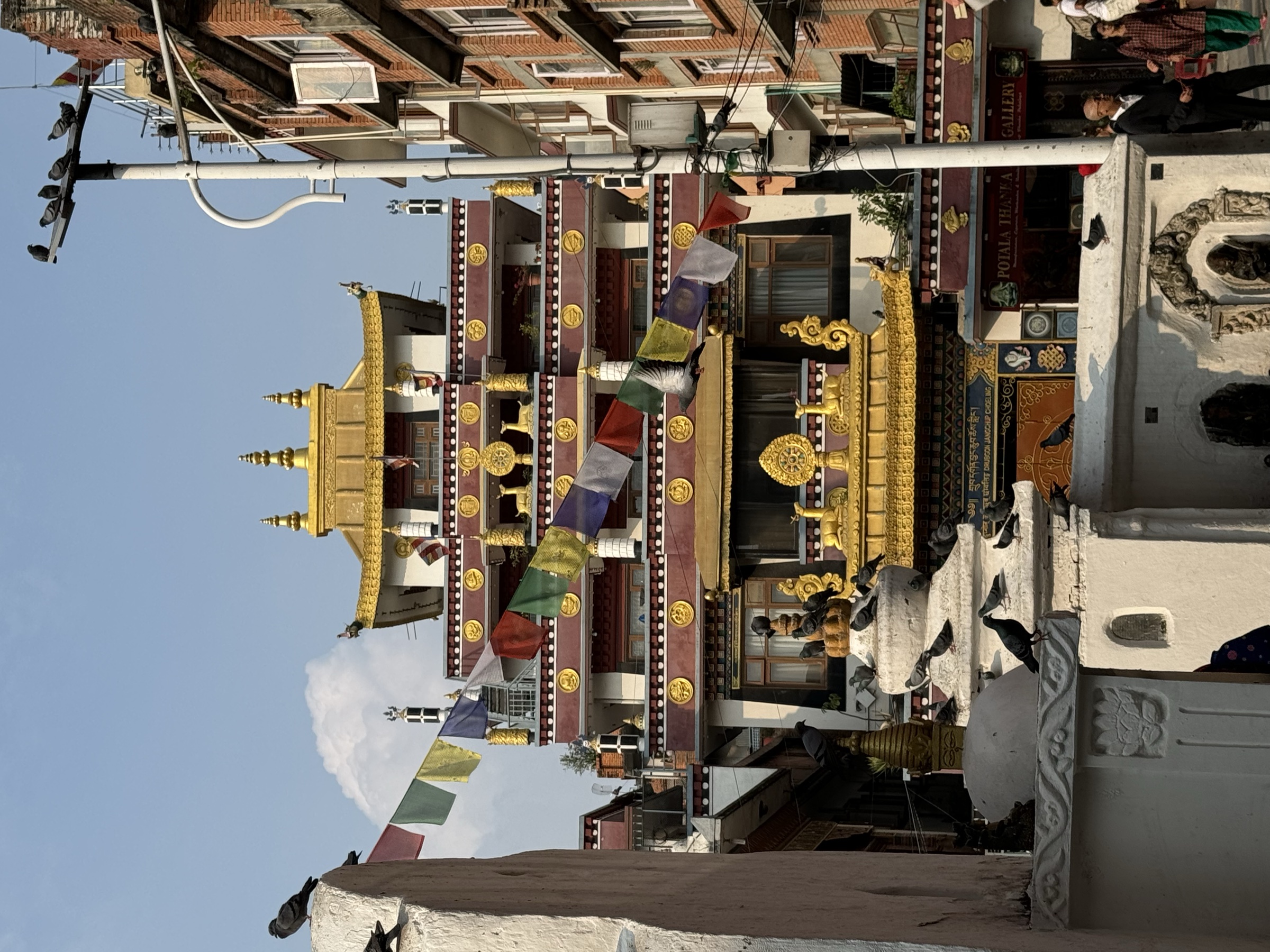
Of the squares
What the wood remembers.
— Plate X · The carved tier —
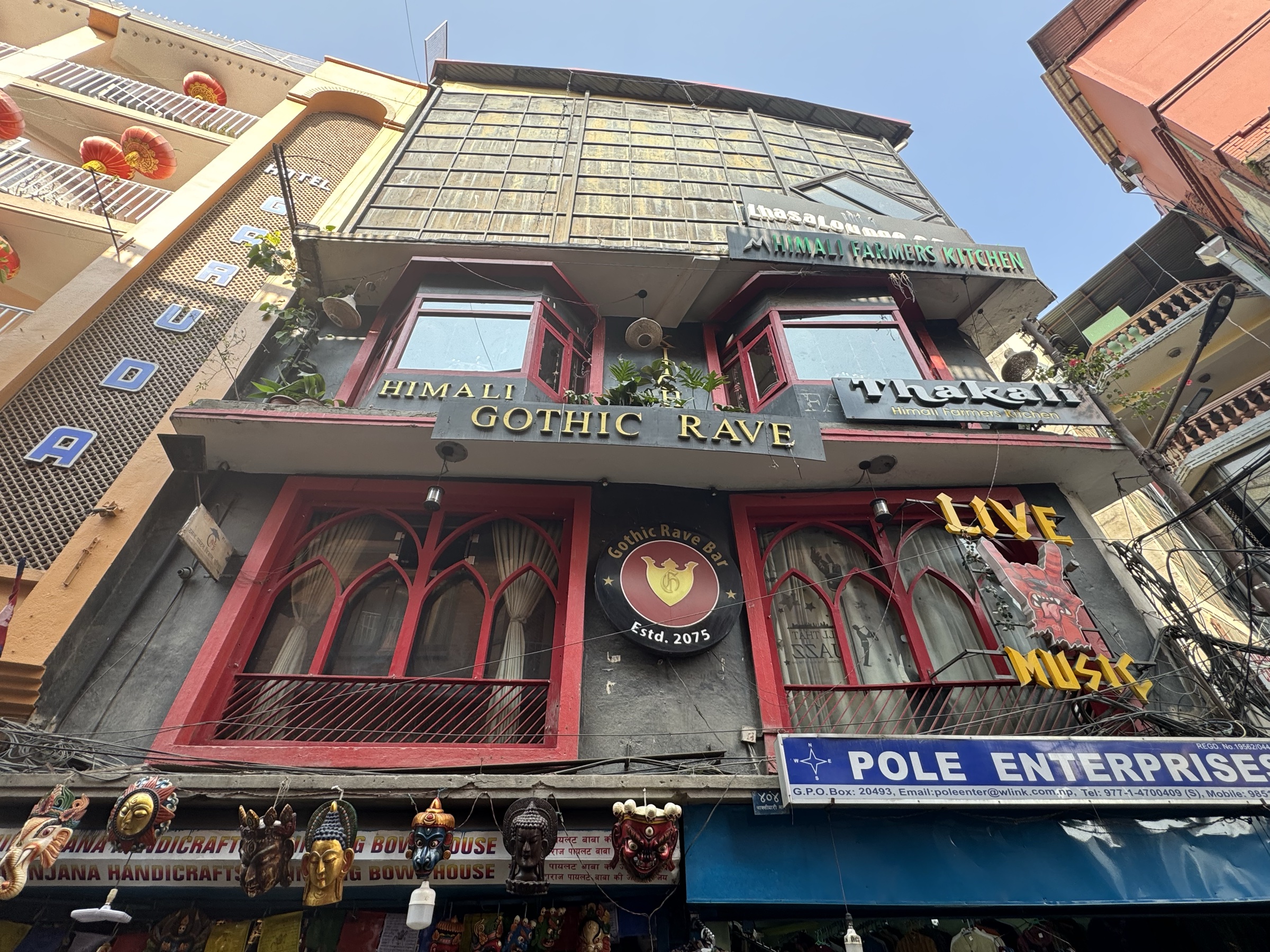
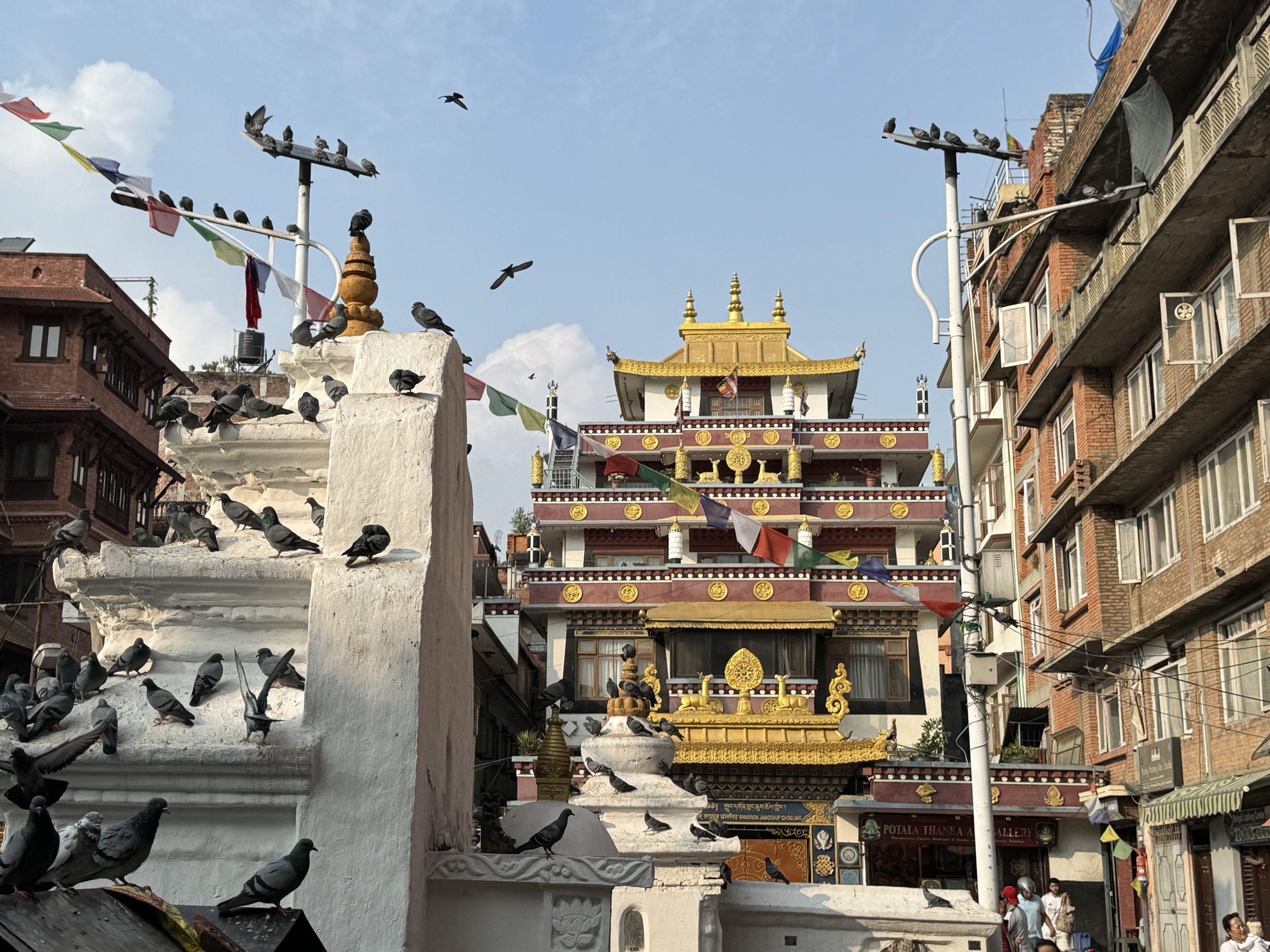
Kathmandu's Durbar Square is not a museum square; it is a working one. Vegetable sellers, schoolchildren, pigeons, and sadhus share the plinths of temples that have stood — and fallen, and risen again — for five centuries. The pagoda, that tiered silhouette the West borrowed and miscast as Chinese, was perfected here, in Newar wood.
And the wood remembers. Every strut beneath every roof is carved — gods, consorts, beasts, and scenes the guidebooks decline to translate — and every carving is at once decoration and structure, holding the roof up while it tells you who lives beneath it.
Of the fall
What fell, and was raised again.
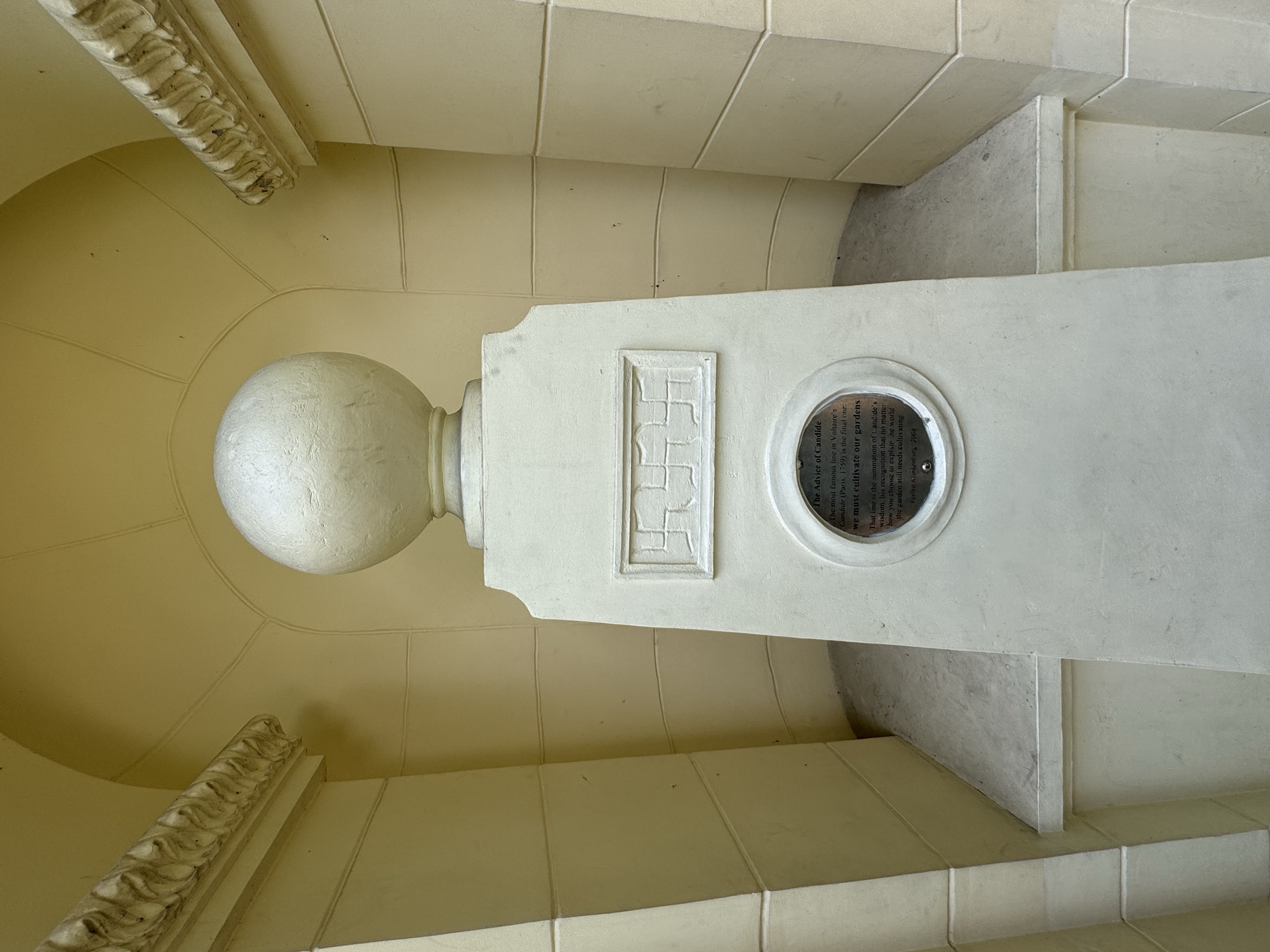
— Plate XII · A shrine, kept —
In 2015 a great earthquake took down towers in the square that had stood for centuries. The Society arrived to find scaffolding of timber and bamboo, and craftsmen re-carving struts by hand — not restoring the monuments to a frozen past, but continuing them, as the city always has.
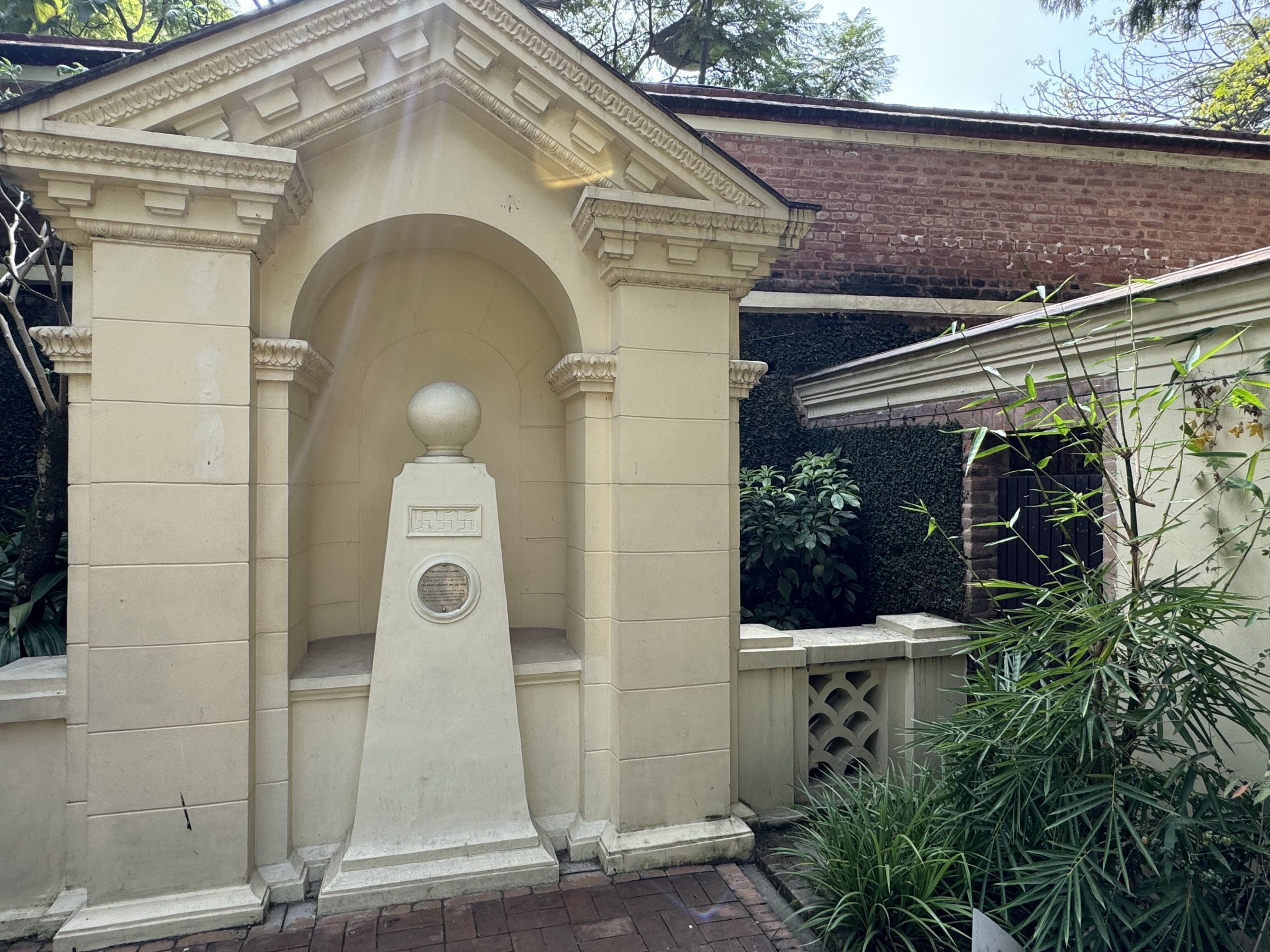
— A niche, repainted —
This is the city's argument with ruin: a temple here is not a relic but a practice that happens to be very old. It is allowed to fall. It is expected to rise. The continuity is in the doing, not the stone.
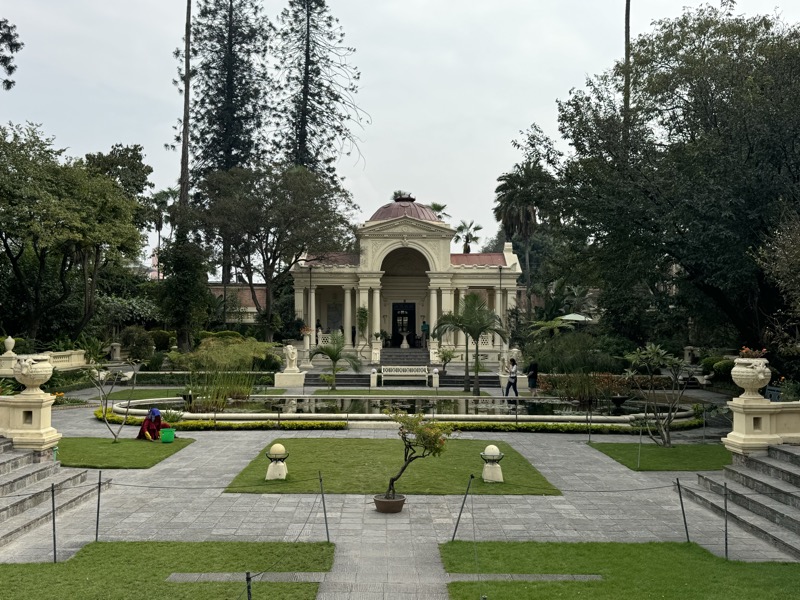
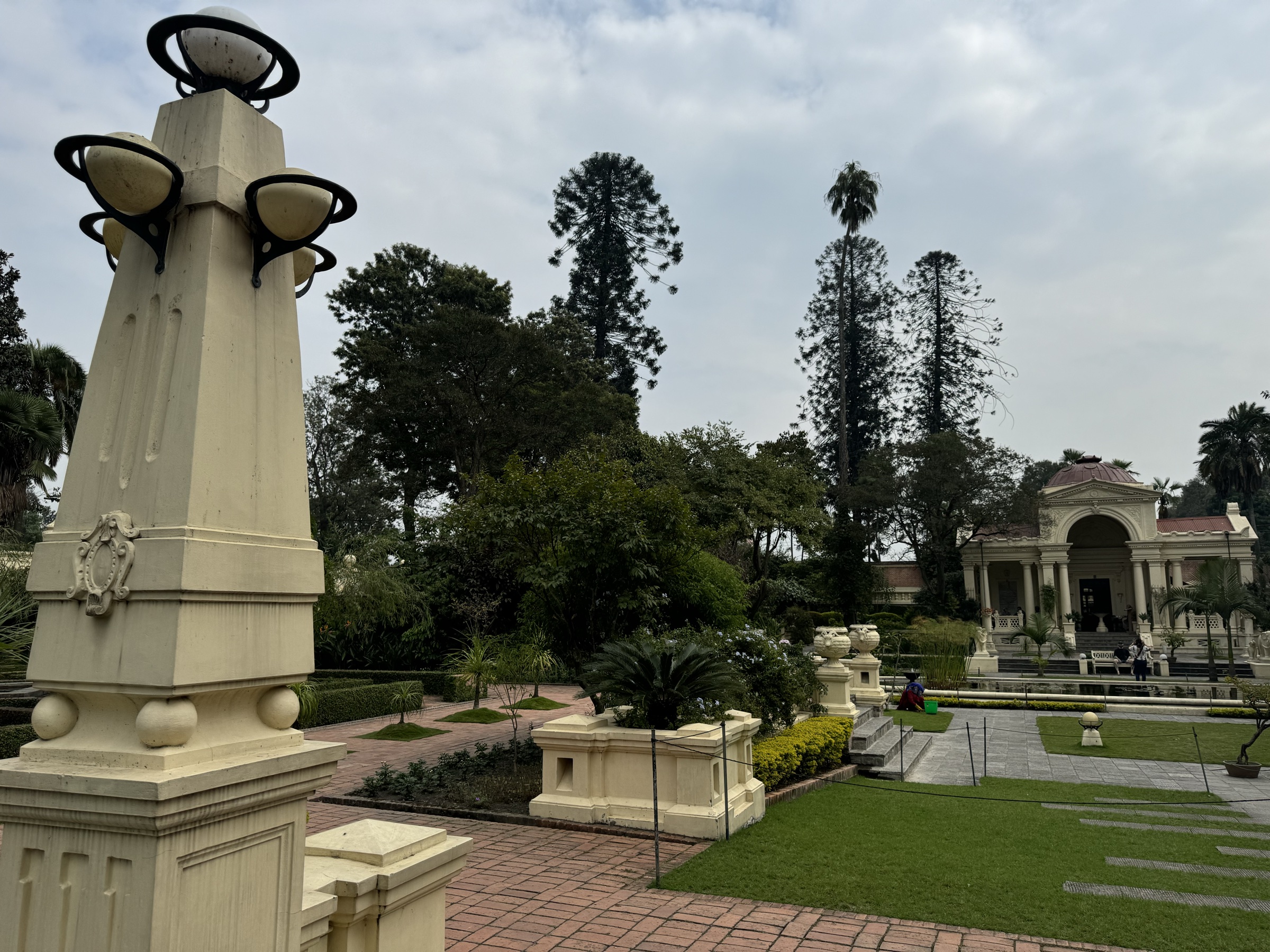
— Plate XIII · The Garden of Dreams —
And when the city's noise becomes too much, there is the Garden of Dreams — a walled neo-classical garden behind Thamel, itself restored from decades of ruin, where the city agrees by some unspoken treaty to be quiet. The Society spent an afternoon there doing nothing, and counts it among the trip's essential work.
A Portfolio of Plates
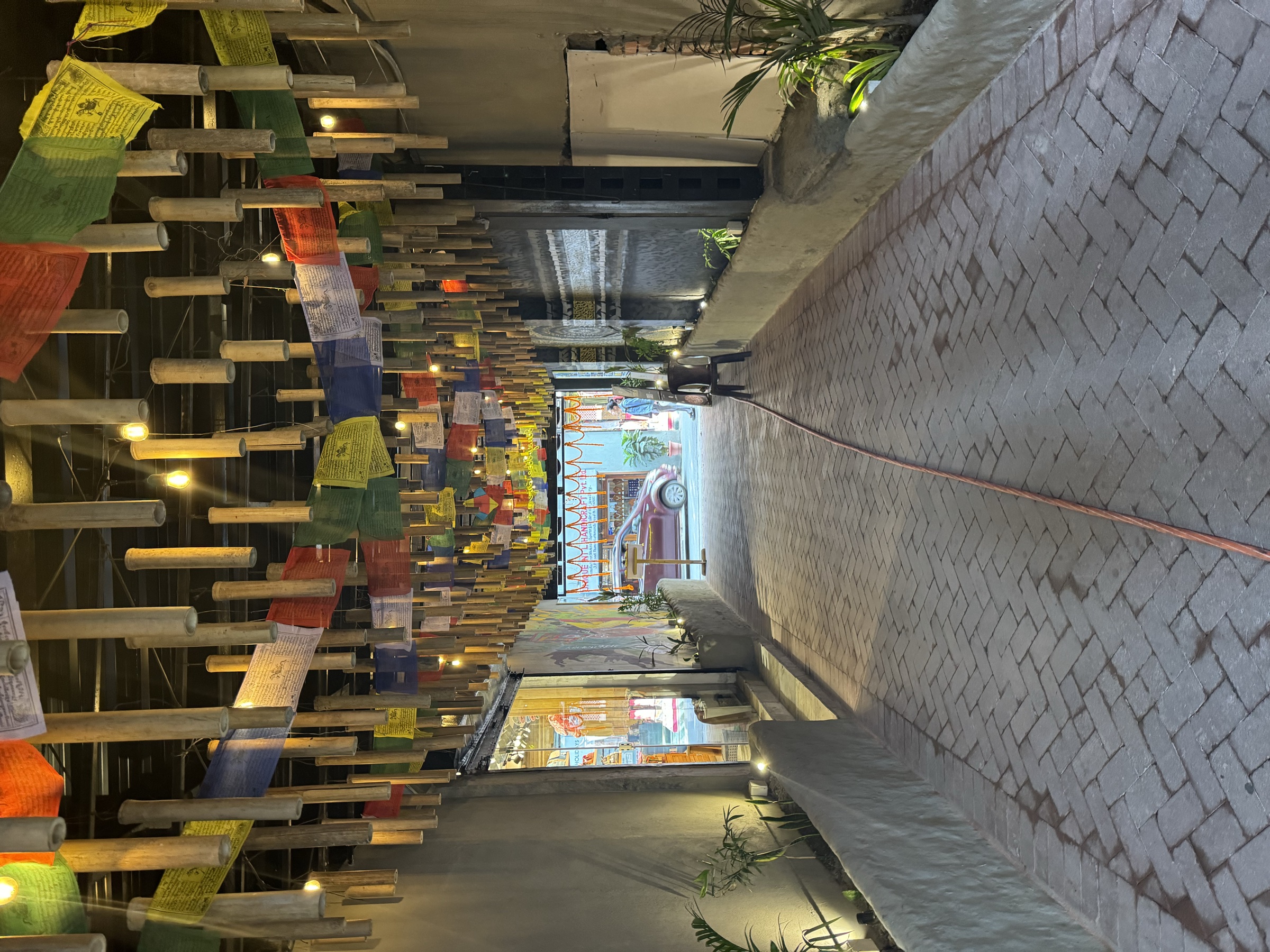
Things gathered in the city.
The Society holds a catalogue of small instances — overlooked, set down, kept.
No. I · Specimen
Flos Sertae
A marigold lifted from a festival garland, pressed in the notebook before it browned.
No. II · Specimen
Pulvis Sacer
A pinch of rangoli colour, taken from a doorway at dawn, before the broom found it.
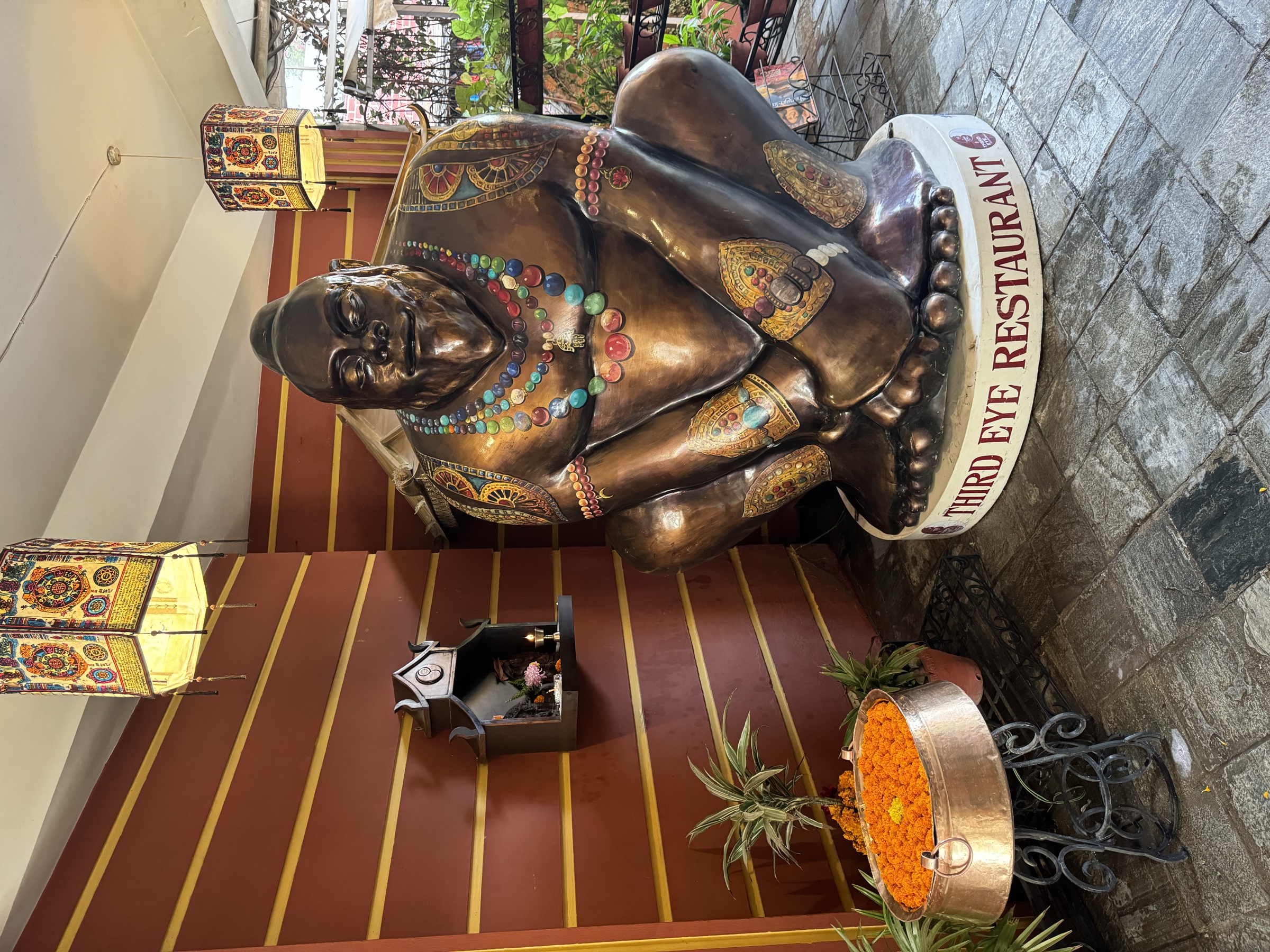
No. III · Specimen
Vultus Ligneus
A god's face from a temple strut, copied while the carver re-cut its neighbour.
No. IV · Specimen
Filum Urbis
A thread from the market, the colour of a festival the city was already folding away.
No. V · Specimen
Lumen Liminis
The stub of a butter lamp, kept from a threshold on the night of Laxmi Puja.
A Table Set by the Society.
— On a single plate, taken slowly —
— Of the table —
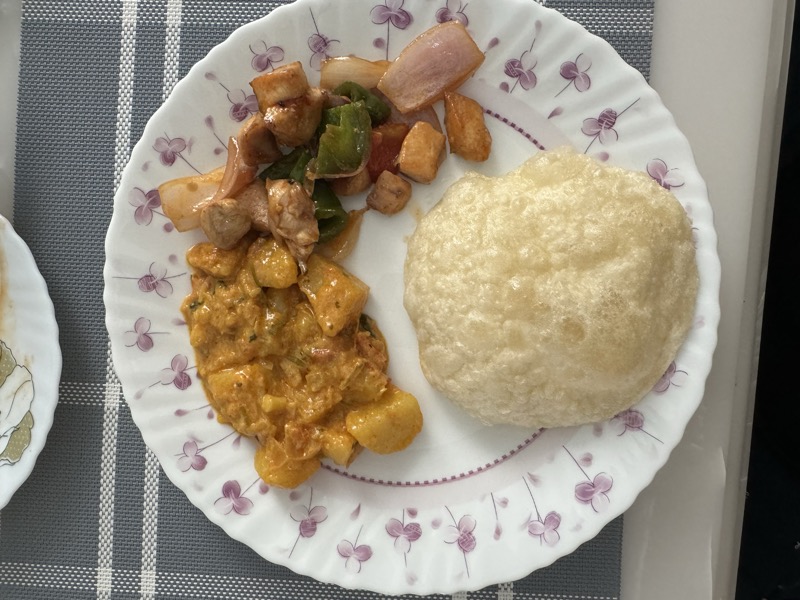
The Society's argument about food, after a season in the field, is simple. A plate eaten quickly tells you something about the cook. A plate eaten slowly tells you something about the place.
In the valley the plate is dal bhat — rice, lentils, a curried vegetable, a pickle — eaten twice a day, every day, by nearly everyone. It is not a dish so much as a rhythm. Refilled without asking, taken slowly, it puts you briefly inside the household's own clock.
— At the table —
At Tihar the table gains sel roti — a ring of rice-flour bread, poured in a single hand-drawn loop into the oil and shared down the lane. The Society watched a grandmother pour forty in an hour and judged it the equal of any craft it had seen all season.
And there is the Newar table, the valley's own — older than the modern country, particular to this bowl of hills, served in courses the guidebooks rarely reach. The instruction is not "eat local." It is "eat in one place, for many days, until the kitchen recognises you."
Staying still is the practice. The plate is the marker.
Texts Held in the Library.
— Selected by the Society, for the present field —
No. I · Of the City
Kathmandu
A journalist's layered portrait of the city — its politics, its gods, its dust — taken wholly seriously and never romanticised. The Society holds it as the one book that refuses to look away from any part of the place.
No. II · Of the People
Arresting God in Kathmandu
Short stories of ordinary lives in the city. The Society holds it for the way it finds the sacred and the human in the same small rooms — which is, in the end, the city's own method.
No. III · Of the Road There
Video Night in Kathmandu
Essays on a changing Asia, the title borrowed from this very city. The Society holds it for its hard, useful argument — that a place is never as untouched as the traveller would wish it to be.
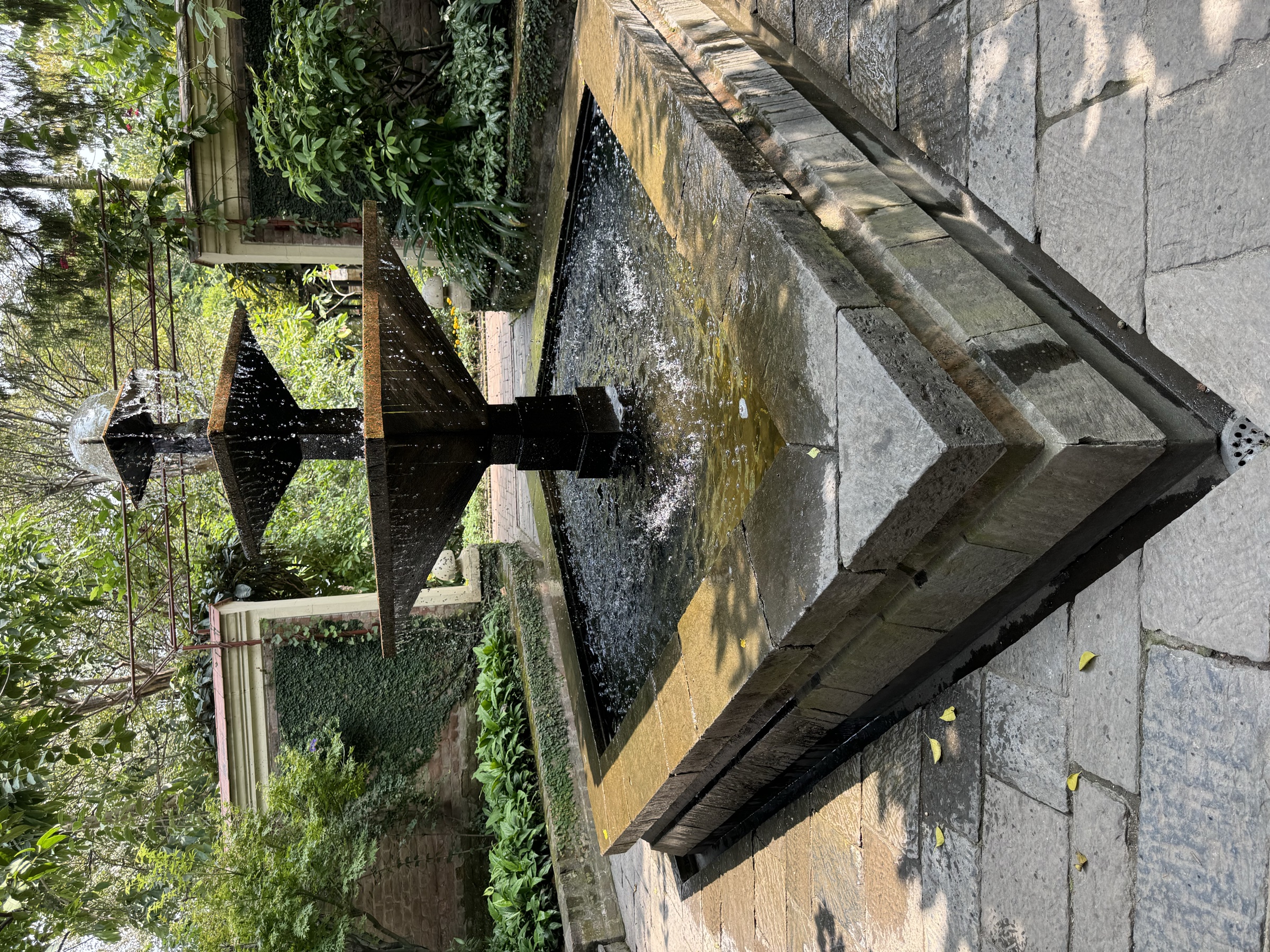
— Plate XIV · A reader's garden —
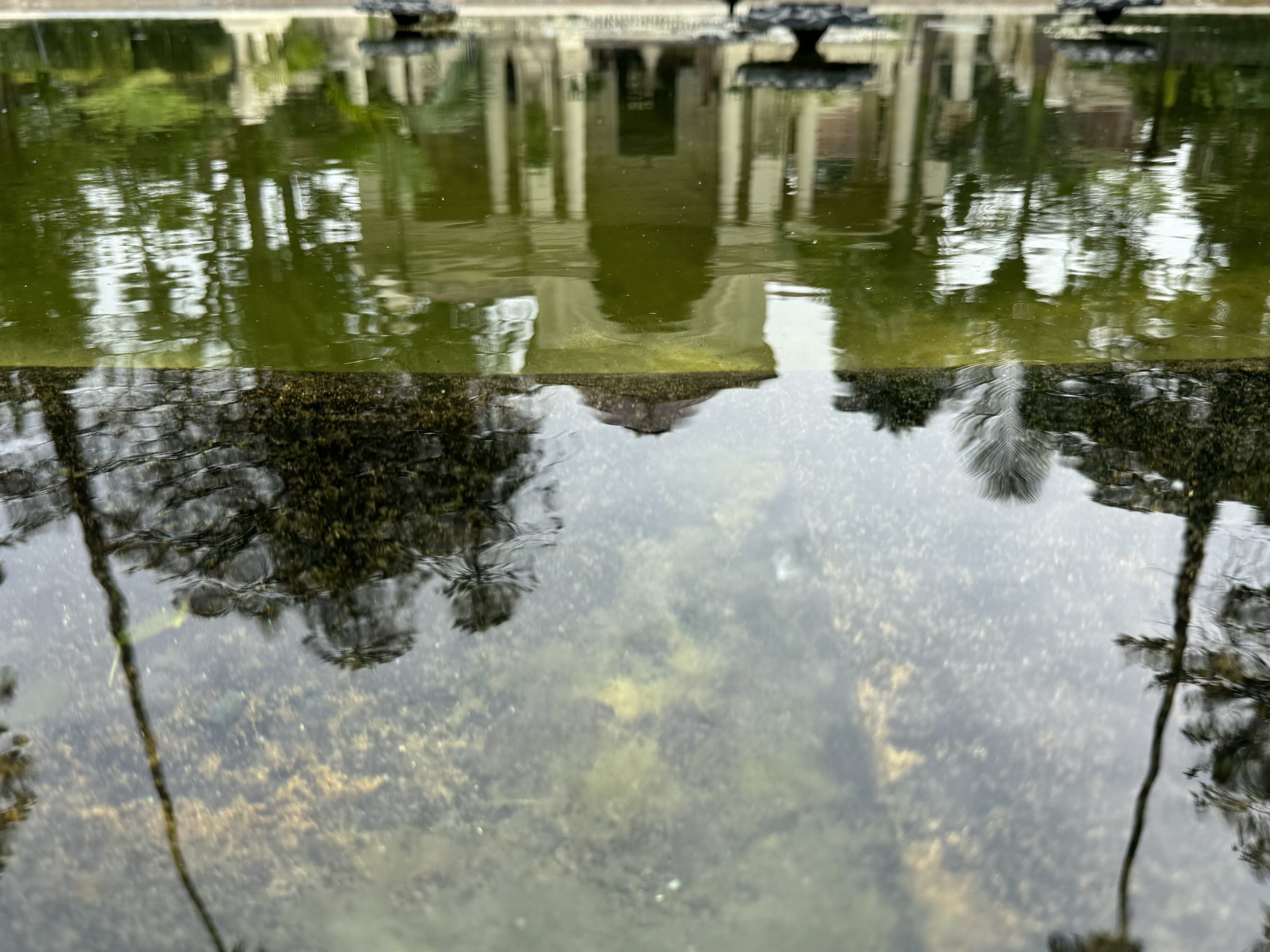
— Plate XV · The library, on the road —
The issue, by the reckoning
What the second issue holds — and the valley it was drawn from — set down for the record.
— Reckoned at Tihar, October MMXXV · Member No. III · Page 61 —
The Calendar of the Society.
— What the next quarters hold —
- — MMXXVI · I —The Pokhara Issue · No. I · filed
- — MMXXVI · II —The Kathmandu Issue · No. II · filed
- — MMXXVI · III —Issue No. III · winter dispatches · the field to be named
- — MMXXVI · IV —Issue No. IV · the year in review
The Society publishes four times a year. Membership is by application. New members receive the back issues bound in a single quarter's volume.
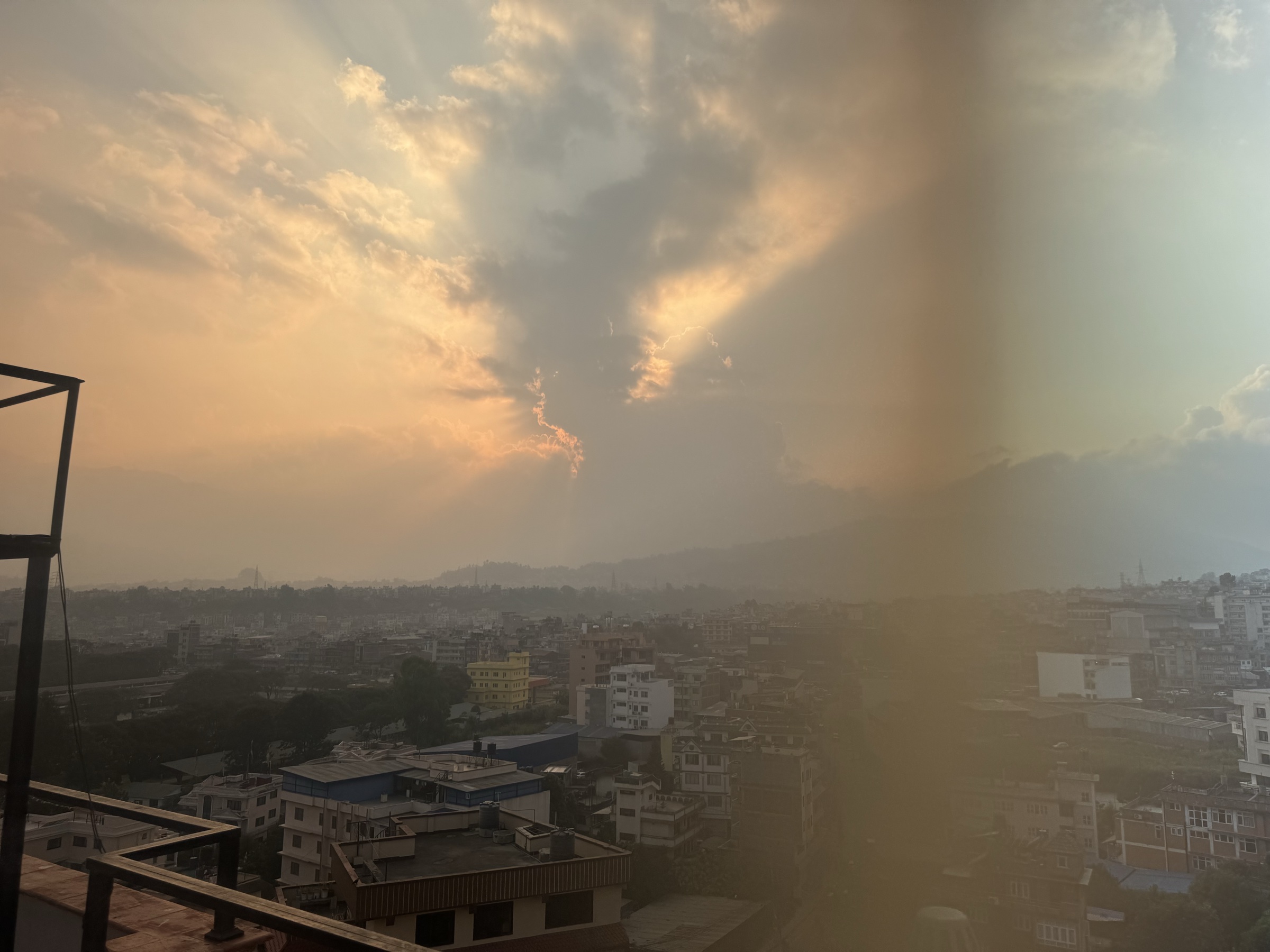
— Of the present field —
Of the Society.
The Society maintains its correspondence at gustux.com. Members write in to propose dispatches, register their fields, and receive the calendar in advance.
The Society does not advertise. It is found by the people who would find it. New members are received by application, considered in batches, and answered by the editor at the end of each quarter.
Filed at Tihar · October MMXXV
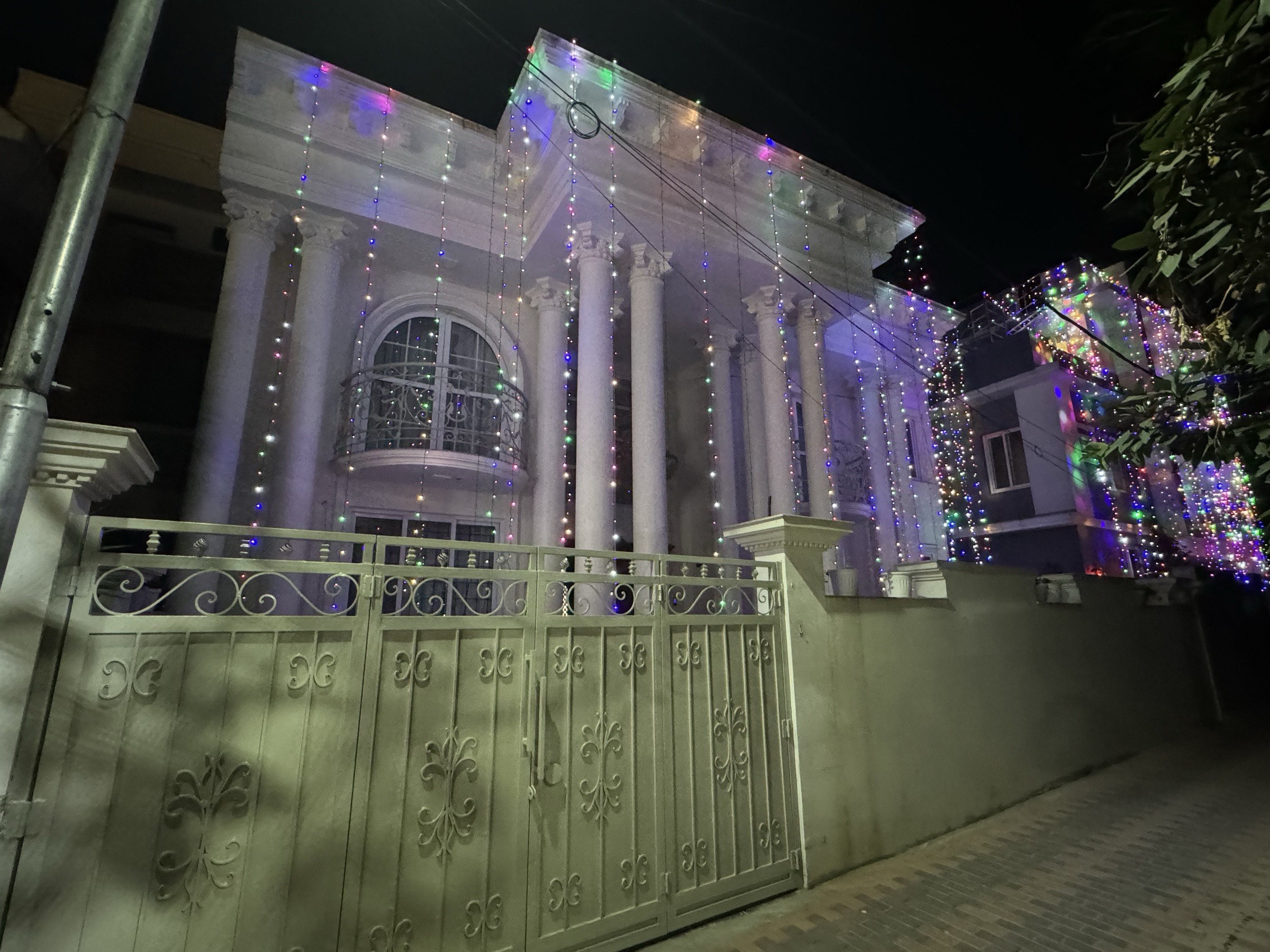
Four issues a year, filed from the field. Begin with the next one.
Subscribe to The Quarterly →